
Comprehensive ECS Support
Technology That
Works For You
Whether you have been referred by an occupational therapist or are exploring options independently, Control-NI has experience working with clients across 39 health conditions. Our technology is not one-size-fits-all — it is designed around you.
We Have the Solution You Need
For over 30 years, we have helped thousands of people with health conditions regain their independence through proven Environmental Control Systems and also Sensory Loss solutions.
Health Conditions · Section 1 of 8
Neurological Conditions
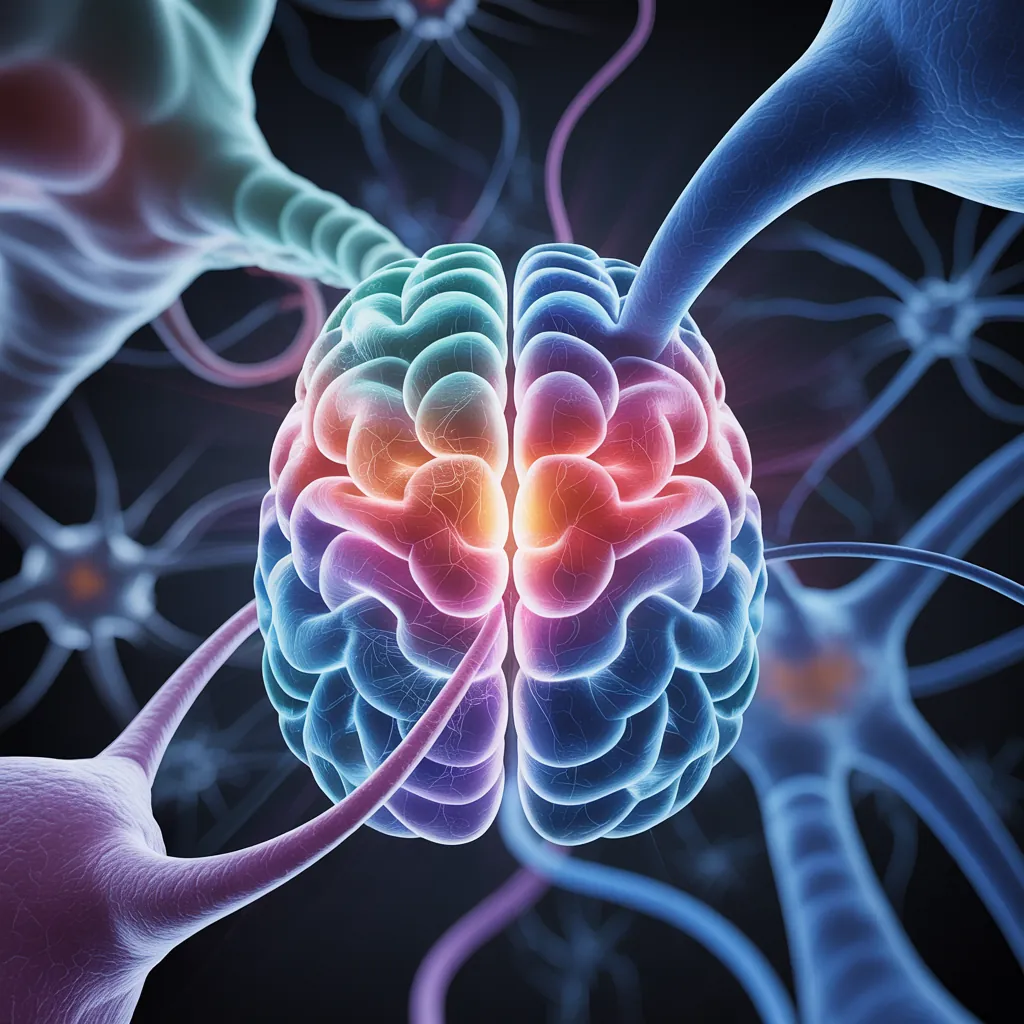
Motor Neurone Disease
A client with MND faces a rapidly closing window of independence. As upper limb function declines, the ability to operate switches, remotes, door handles, and controls disappears. Control-NI installs voice-activated environmental control covering television, lighting, heating, blinds, curtains, door access, and profiling bed — all operable by voice command or eye gaze compatible switch access. As the condition progresses the access method changes without replacing the underlying system. We prioritise urgent assessments.
Key ECS Benefits:
- Voice and Eye Gaze Control
- Full Environmental Management
- Urgent Assessment Available
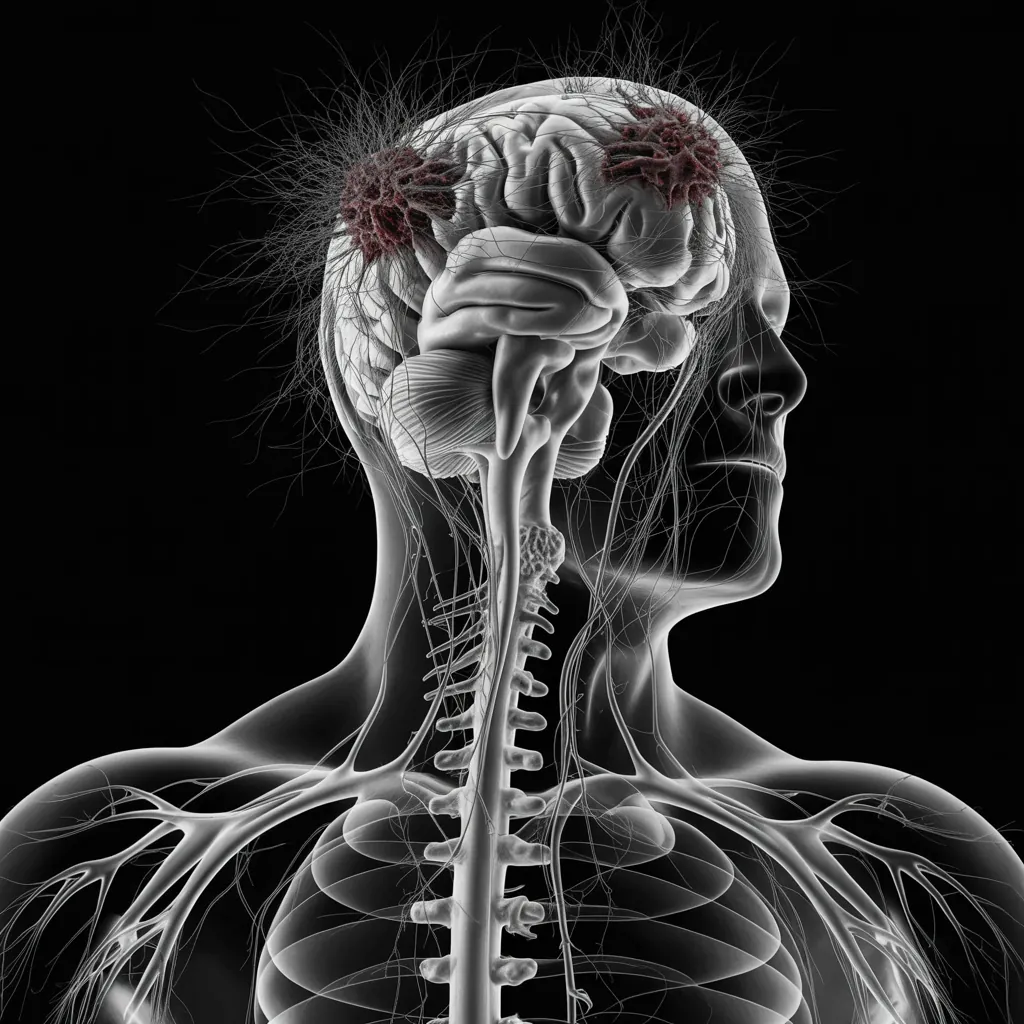
Multiple Sclerosis
MS presents differently every day. A client who manages independently on a good day may be unable to operate a light switch, open a door, or lift a television remote on a bad day. Fatigue — the most disabling MS symptom — means physical effort spent on routine tasks leaves nothing for the things that matter. Control-NI installs voice-activated home systems that remove physical effort from every routine task. On a fatigue day the client conserves every unit of energy for what matters to them.
Key ECS Benefits:
- Fatigue Conservation
- Full Home Control on Bad Days
- Relapse-Proof Access
Parkinson's Disease
Tremor makes precision impossible. Rigidity makes reaching and gripping painful. Freezing makes movement unpredictable. For a client with Parkinson's, operating a television remote, pressing a light switch, or turning a door handle becomes a daily battle. Control-NI installs voice-activated controls for every system in the home. No buttons to press. No switches to locate. No remotes to grip. A single voice command controls the television, dims the lighting, adjusts the heating, opens the front door, and raises the bed.
Key ECS Benefits:
- Zero Fine Motor Requirement
- Voice or Switch Access
- Adapts as Condition Progresses
Stroke Recovery
Following stroke, a client may return home with hemiplegia, upper limb weakness, visual field loss, cognitive changes, or fatigue — often in combination. The home that was manageable before stroke may now present barriers at every turn. Control-NI installs voice-activated home control configured around the client's specific post-stroke presentation. For a client with right-sided hemiplegia, voice control removes the need for bilateral hand function entirely. For a client with cognitive fatigue, simplified one-command routines reduce the mental load.
Key ECS Benefits:
- Single-Handed and Hands-Free Operation
- Simplified Cognitive Load
- Immediate Post-Discharge Support
Traumatic Brain Injury
Following TBI, a client may experience cognitive fatigue, memory impairment, reduced concentration, and physical weakness — sometimes permanently. The home environment that was familiar before injury can become confusing, overwhelming, or unsafe. Control-NI installs simplified voice-activated controls and automated routines that reduce the cognitive and physical demands of managing daily life at home. Systems are configured to support rehabilitation goals and adjust as recovery progresses.
Key ECS Benefits:
- Cognitive Support
- Motor Assistance
- Environmental Control
Epilepsy
For clients with epilepsy, safety during and after a seizure is paramount. Environmental control systems can be configured to reduce risk — automatic lighting prevents falls during post-ictal confusion, door access systems can be set to prevent unsafe egress, and carer alerting ensures help arrives immediately. Control-NI installs seizure-safe environmental controls with emergency response integration, giving clients and their families confidence to live independently.
Key ECS Benefits:
- Seizure Safety
- Emergency Response
- Independence Support
Huntington's Disease
Huntington's disease causes progressive changes in movement, cognition, and behaviour. Chorea makes button-pressing and switch operation increasingly difficult. Cognitive changes affect the ability to sequence tasks or remember how to operate controls. Control-NI installs environmental control systems that adapt alongside the condition — starting with voice control, then moving to larger switches, then to simpler interfaces — ensuring the client retains control of their environment for as long as possible.
Key ECS Benefits:
- Cognitive Support
- Safety Monitoring
- Environmental Adjustments
Ataxia
Ataxia causes uncoordinated movement, poor balance, and tremor that makes fine motor control progressively unreliable. A client with ataxia may struggle to operate standard light switches, turn television remotes, or open doors — not because of weakness, but because of coordination failure. Control-NI installs voice-activated and switch-adapted environmental controls that remove the need for precise movement. Fall prevention technology, including sensor lighting and automated door access, reduces the most common serious risk associated with ataxia.
Key ECS Benefits:
- Coordination Support
- Fall Prevention
- Communication Aids
Cerebral Palsy
Cerebral palsy presents across a wide spectrum of physical ability. Some clients walk independently but struggle with fine motor control. Others use powered wheelchairs and require full environmental control from a seated position. Control-NI assesses each client's specific presentation and installs appropriate controls — from voice activation for clients with speech clarity, to switch scanning for clients with very limited movement, to eye gaze for those with minimal voluntary control. Every system is configured around the client's actual ability, not their diagnosis.
Key ECS Benefits:
- Switch Controls
- Communication Aids
- Environmental Management
Autism
For clients with autism, unpredictability and sensory overload are the daily barriers — not physical disability. A doorbell that rings unexpectedly can trigger distress. A light that is too bright or a room that is too noisy can make a home feel hostile. Control-NI installs sensory-friendly home automation that supports predictability, structure, and sensory regulation. Automated lighting adjusts to preferred levels. Voice-controlled routines create a predictable home environment. Door intercom with visual identification removes the distress of unexpected visitors. AAC communication support gives non-speaking clients a reliable voice.
Key ECS Benefits:
- Sensory Management
- Communication Support
- Routine & Predictability
Dementia / Alzheimer's
For a client with dementia, the home environment that was familiar for decades can gradually become confusing. Light switches are forgotten. The television remote has too many buttons. The front door becomes a safety risk. Control-NI installs simplified controls, automated routines, and safety systems that reduce the demands on memory and cognition. Carer alerting systems ensure that family or support staff are notified when help is needed. Automated lighting reduces disorientation at night. Door safety systems prevent unsafe wandering while maintaining the client's sense of independence.
Key ECS Benefits:
- Memory Support
- Safety Monitoring
- Routine Assistance

ME / Chronic Fatigue Syndrome
ME/CFS is defined by post-exertional malaise — the worsening of all symptoms after even minimal physical or cognitive effort. For a client with ME/CFS, walking to a light switch, reaching for a remote, or opening a door can trigger hours or days of increased fatigue and pain. Control-NI installs voice-activated home systems that remove physical effort from every routine task. The client controls lighting, heating, television, doors, blinds, and curtains entirely by voice — conserving every unit of energy for what matters to them.
Key ECS Benefits:
- Energy Conservation
- Sensory Management
- Sleep Improvement
Health Conditions · Section 2 of 8
Sensory Conditions
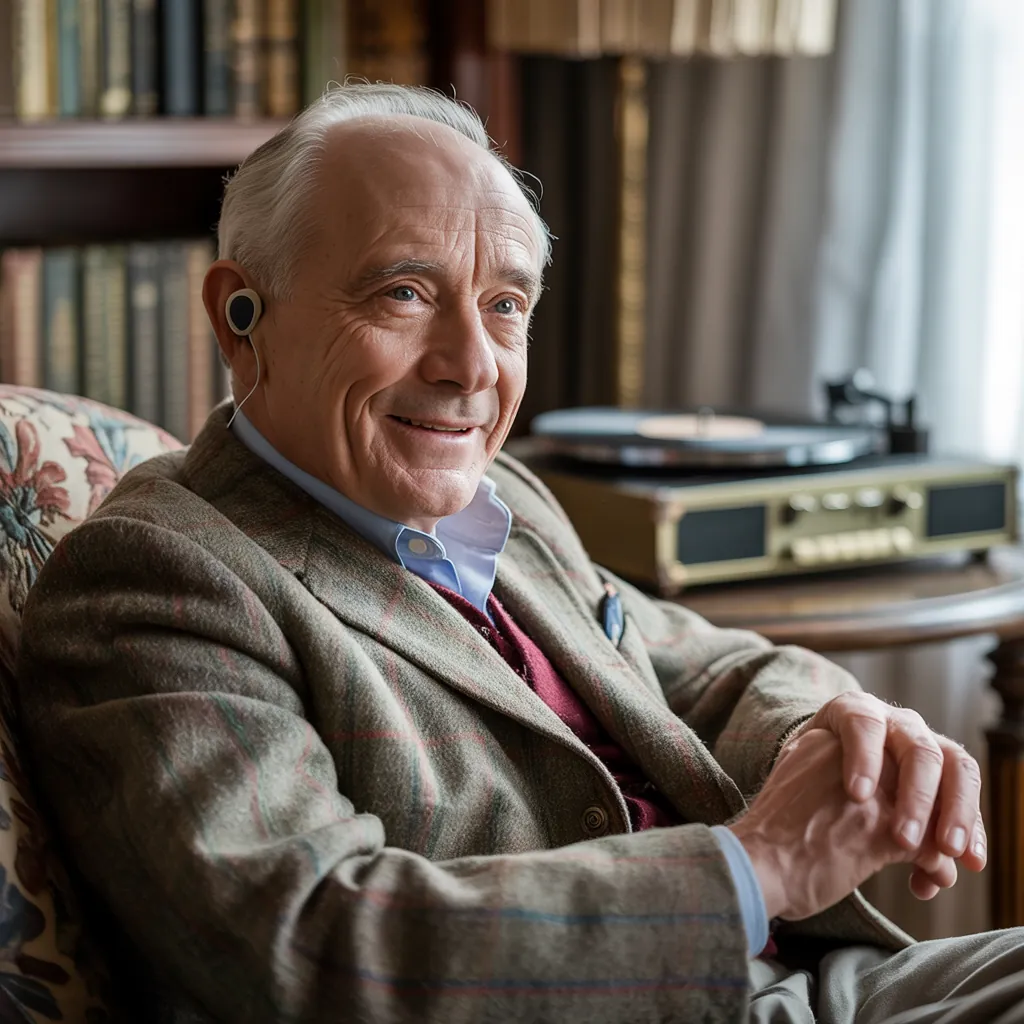
Deafness & Hearing Loss
Whether profoundly deaf or experiencing progressive hearing loss, a client living alone cannot rely on sound-based alerting. The doorbell, smoke alarm, telephone, and carbon monoxide detector all go unheard. Control-NI installs Bellman Visit 868 wireless alerting — the clinical standard across all five NI HSC Trusts — providing simultaneous visual flash, vibrating pad, and pager alerts. BSL assessments available.
Case in point: Control-NI installed a wireless carer alert system for a deaf carer, enabling them to receive immediate visual and vibrating notification whenever the patient required assistance.
Key ECS Benefits:
- Whole-Home Visual & Vibrating Alerting
- Smoke & CO Detection with Cascading Alerts
- Induction Loop & TV Access
- Carer Alert Systems for Deaf Carers
Visual Impairment & Blind
For clients with reduced or no useful vision, light switches blend into walls, appliance controls are unreadable, and navigating the home in low light carries significant fall risk. Control-NI installs high-contrast task lighting, automatic sensor lighting on movement, and fully voice-controlled home environments where every system — lights, blinds, TV, heating, doors — operates without locating a single physical switch.
Key ECS Benefits:
- Automatic Sensor Lighting
- Complete Voice Control of All Home Systems
- Falls Prevention
Dual Sensory — DeafBlind
For clients with both hearing and visual impairment, neither sound-based nor vision-based alerting is fully effective. The challenges are multiplied. Control-NI installs combined sensory and environmental control solutions — tactile alerting systems, vibrating pagers, high-contrast visual displays, and simplified voice or switch interfaces that require minimal sensory input. Every system is configured around the client's residual hearing, residual vision, and preferred communication method.
Key ECS Benefits:
- Tactile & Vibrating Alerting
- Simplified Voice & Switch Control
- Emergency Response Systems
Health Conditions · Section 3 of 8
Musculoskeletal & Pain Conditions
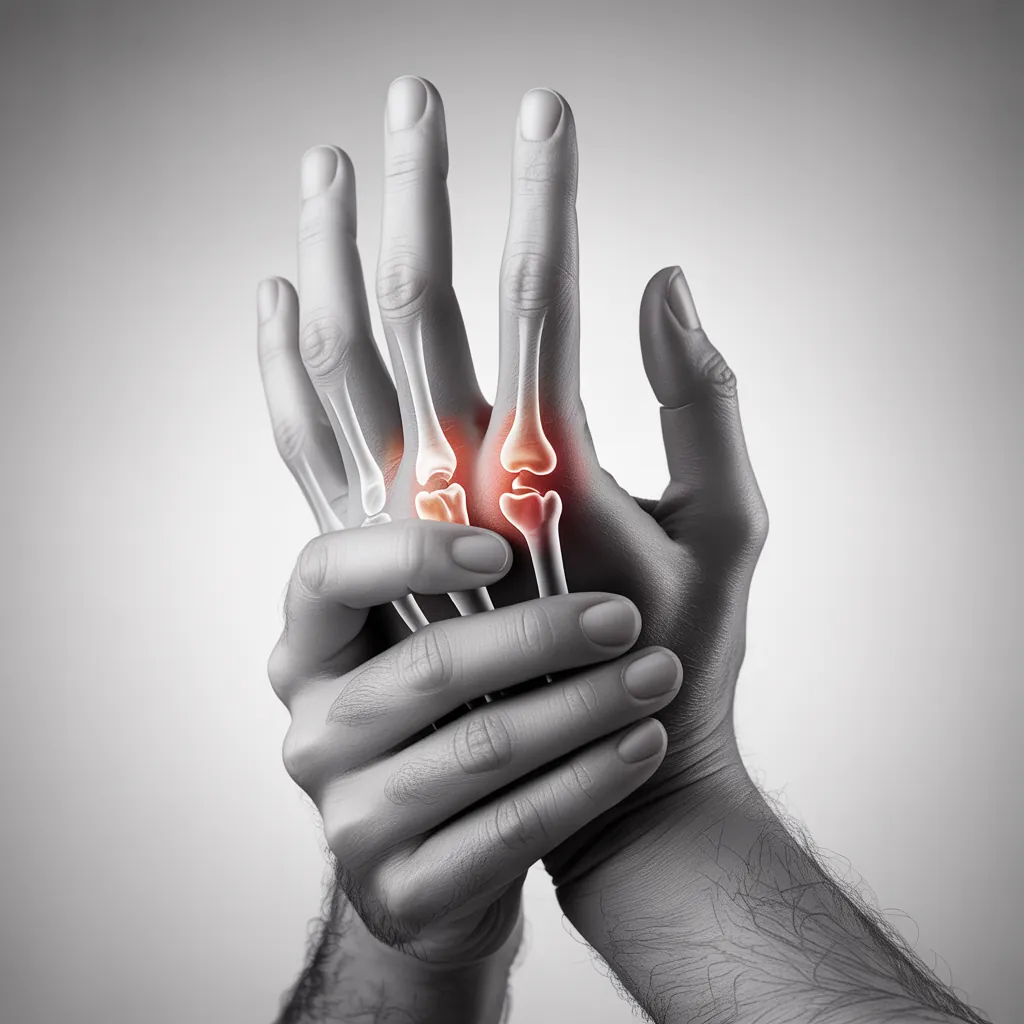
Severe Arthritis
For a client with severe arthritis, every joint movement carries pain. Pressing a light switch, turning a television remote, gripping a door handle, or reaching for a thermostat becomes a sequence of painful manoeuvres repeated dozens of times per day. Control-NI installs voice-activated controls for every system in the home — television, lighting, heating, blinds, curtains, door access, and bed — removing the need for grip, reach, or joint movement entirely. The client controls their entire home environment by voice, protecting joints while maintaining full independence.
Key ECS Benefits:
- Pain Reduction
- Joint Protection
- Task Automation
Fibromyalgia
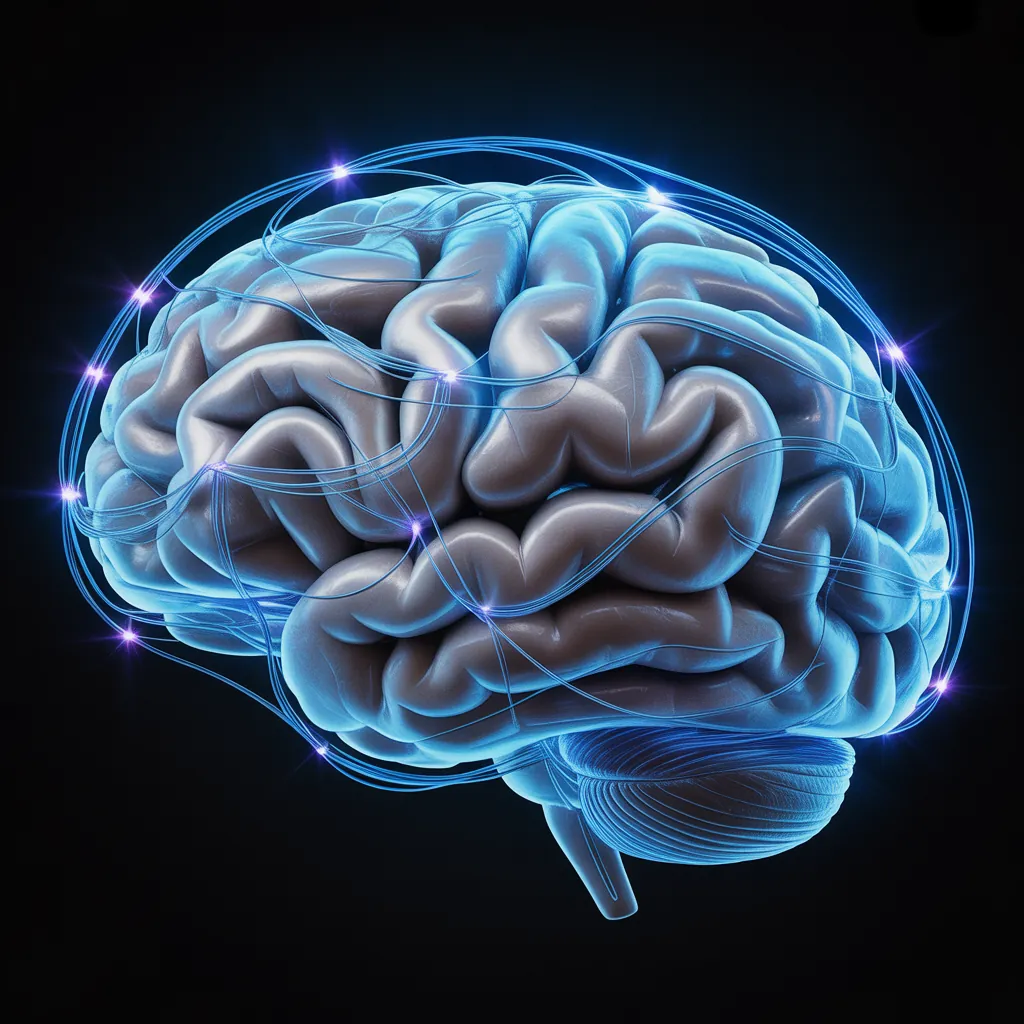
Fibromyalgia causes widespread pain, fatigue, and cognitive fog that makes routine physical tasks disproportionately exhausting. For a client with fibromyalgia, the effort of getting up to adjust heating, walking to a light switch, or reaching for a remote can trigger a flare that lasts hours or days. Control-NI installs voice-activated home automation that removes physical effort from every daily task. The client controls their entire home from their chair or bed — conserving energy and reducing pain triggers.
Key ECS Benefits:
- Energy Conservation
- Pain Management
- Task Automation
Ehlers-Danlos Syndrome
EDS causes joint hypermobility, subluxation, and chronic pain that worsens with any physical strain. For a client with EDS, everyday tasks like turning a door handle, pressing a light switch, or reaching for a remote carry a real risk of joint injury. Control-NI installs voice-activated and minimal-effort switch controls that remove the need for grip, twist, or reach. Automated home systems reduce the risk of joint subluxation during daily tasks while maintaining full environmental control.
Key ECS Benefits:
- Joint Protection
- Fatigue Reduction
- Safety Monitoring
Chronic Pain Conditions
For clients managing ongoing chronic pain — whether from a specific diagnosis or an undifferentiated condition — physical effort intensifies pain and reduces functional capacity. The repeated small tasks of daily living — getting up, reaching, bending, pressing — accumulate into significant pain burden by the end of each day. Control-NI installs voice and switch-controlled home systems that remove physical barriers to independence. The client controls lighting, heating, television, doors, and bed position without movement that triggers pain.
Key ECS Benefits:
- Effort Reduction
- Task Automation
- Independence Support
Lupus
Lupus causes fatigue, joint pain, and flares that can reduce functional ability unpredictably. On a good day a client may manage independently. During a flare, the same tasks become impossible. Control-NI installs voice-activated and automated home controls that support independence during flares and reduce joint strain during periods of reduced ability. The system works reliably regardless of which symptoms are active that day.
Key ECS Benefits:
- Fatigue Management
- Joint Protection
- Environmental Control
Health Conditions · Section 4 of 8
Muscular & Spinal Conditions

Muscular Dystrophy
Muscular dystrophy causes progressive muscle weakness that changes a client's abilities over months and years. The system that works today may not work in six months. Control-NI installs environmental control systems that evolve with the condition — starting with voice control, then adding switch access as hand function declines, then integrating with powered wheelchair controls. The underlying home automation system remains constant even as the access method changes, ensuring continuity of independence.
Key ECS Benefits:
- Automated Controls
- Fatigue Reduction
- Communication Aids
Spinal Cord Injury
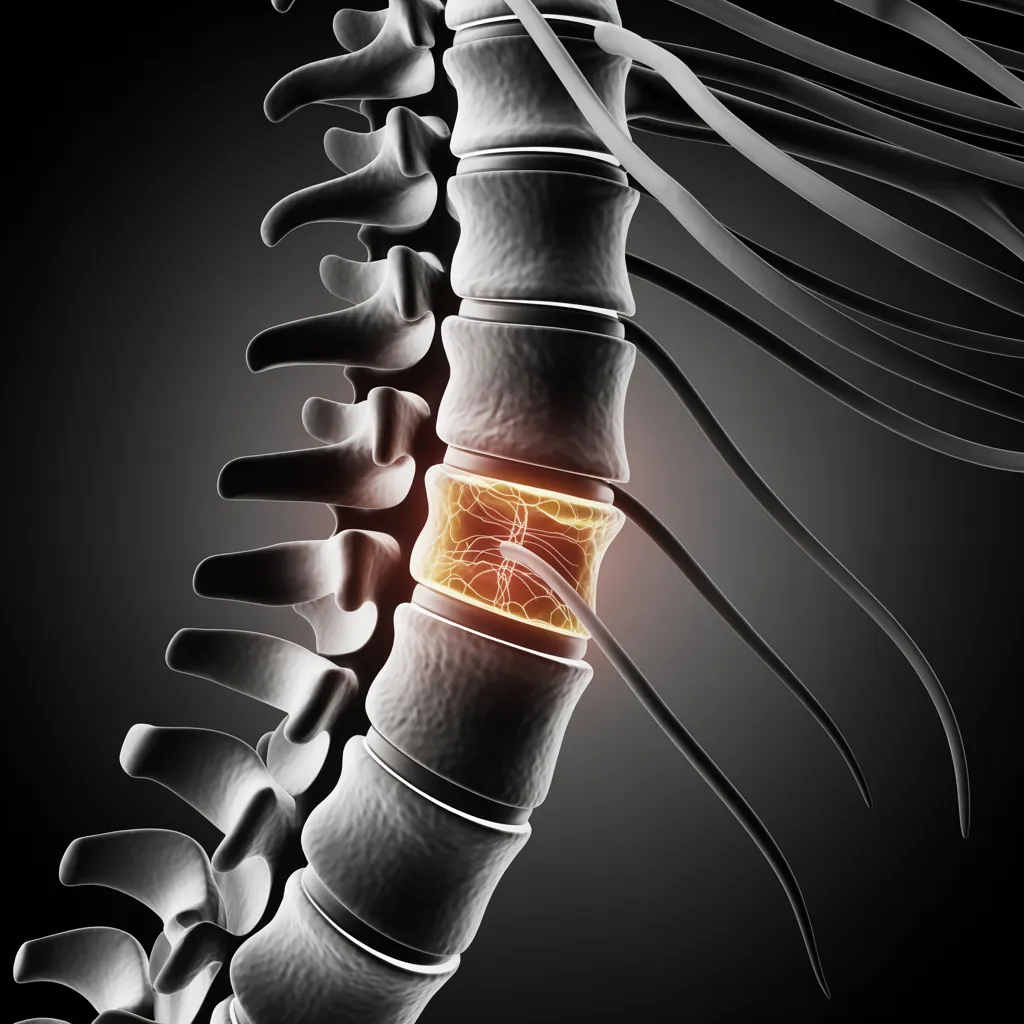
A spinal cord injury changes everything about how a client interacts with their home. A person who previously managed independently may now require full environmental control from a wheelchair, with no hand function at all. Control-NI installs complete home automation controlled by voice, sip-and-puff switches, head arrays, or eye gaze — whatever access method the client's level of injury allows. Door automation, bed control, environmental management, and emergency systems are all configured for wheelchair-level access.
Key ECS Benefits:
- Voice Control
- Computer Access
- Emergency Systems
Spina Bifida
Spina bifida affects mobility, continence, and independence from childhood and throughout adulthood. As a child grows, their needs change — from needing help with simple tasks to wanting full independent control of their environment. Control-NI installs age-appropriate environmental control systems that grow with the client. Voice activation, switch control, and bed management are all configured to the client's current ability while building towards maximum independence.
Key ECS Benefits:
- Mobility Support
- Independence Building
- Adaptive Controls
Health Conditions · Section 5 of 8
Recovery & Hospital Discharge Conditions
Hospital Discharge
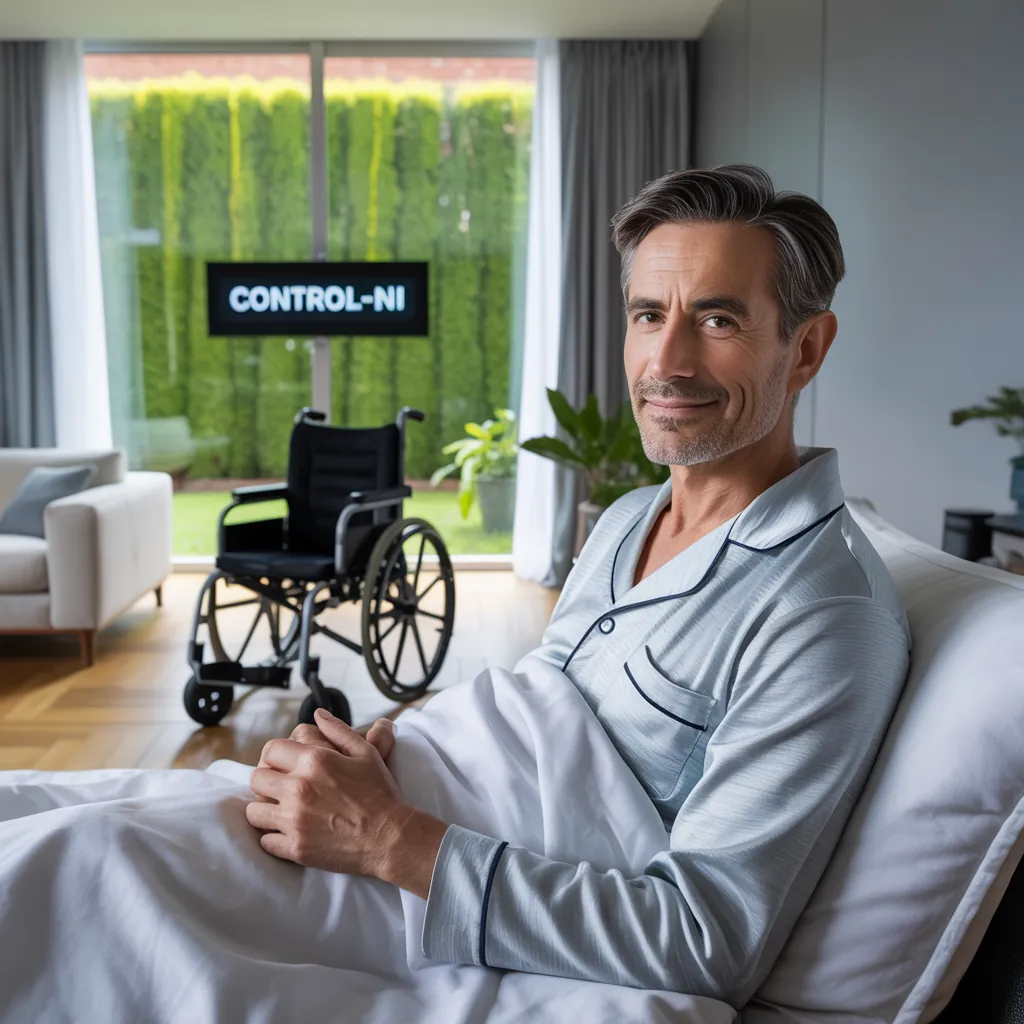
Every day a patient remains in hospital unnecessarily costs the NHS £300-400 in bed costs. For discharge coordinators, Home First teams, and rapid response OTs, the speed at which a home can be made safe determines how quickly a patient goes home. Control-NI offers priority assessment and fast-track installation for discharge cases. We work directly with discharge teams across all five NI HSC Trusts to assess the home, specify the right technology, and complete installation within an agreed timeframe. Profiling bed control, voice-activated lighting, video intercom, and automated door access can be installed in a single day.
Key ECS Benefits:
- Priority Discharge Assessments
- Same-Week Installation Available
- Works Directly with All Five HSC Trusts

Post-Surgical Recovery
After surgery — whether orthopaedic, abdominal, cardiac, or neurological — a client returns home with restricted mobility, pain, and reduced capacity for the routine tasks that were effortless before. Control-NI installs temporary or permanent home automation that supports recovery. Voice-controlled lighting, heating, and door access remove the need to get up, reach, or walk when mobility is restricted. The client recovers in comfort while maintaining control of their environment.
Key ECS Benefits:
- Comfort Control
- Effort Reduction
- Recovery Support
Cancer — Treatment and Recovery
Cancer treatment causes fatigue, weakness, reduced immunity, and sometimes peripheral neuropathy that affects sensation and grip strength. During treatment and recovery, the physical demands of managing a home can be overwhelming. Control-NI installs energy-conserving home automation that removes physical effort from daily tasks. Voice-controlled systems allow the client to manage their entire home from a single position — conserving the limited energy that treatment leaves available.
Key ECS Benefits:
- Energy Conservation
- Comfort Control
- Independence Maintenance
Cardiac Conditions
For clients with heart failure or recovering from cardiac events, physical exertion must be carefully managed. Walking to adjust heating, bending to operate controls, or reaching for a remote can trigger breathlessness, palpitations, or fatigue. Control-NI installs automated home controls that remove physical exertion from daily life. Voice-activated systems allow the client to control lighting, heating, television, doors, and bed position without any physical effort — supporting cardiac rehabilitation and reducing strain on the heart.
Key ECS Benefits:
- Effort Reduction
- Safety Monitoring
- Environmental Control
Respiratory Conditions
For clients with COPD, pulmonary fibrosis, or other respiratory conditions, breathlessness is the limiting factor. Walking to a light switch, getting up to open a door, or reaching for a remote can trigger acute breathlessness that takes minutes to recover from. Control-NI installs automated home controls that remove the physical effort of managing the home environment. Voice activation means the client never needs to get up for a routine task. Automated routines reduce the cognitive load of decision-making when breathless.
Key ECS Benefits:
- Breathlessness Support
- Effort Reduction
- Environmental Control
Renal Failure and Dialysis
Kidney failure and dialysis schedules create profound fatigue that makes everyday home management a significant burden. Between dialysis sessions, clients often have very limited energy. Control-NI installs automated home controls that reduce the physical demands of daily living. Voice-activated systems allow the client to control their entire home environment without getting up, reaching, or walking — conserving energy for dialysis sessions and recovery.
Key ECS Benefits:
- Fatigue Management
- Comfort Control
- Independence Support
Health Conditions · Section 6 of 8
Age-Related Conditions
Age-Related Frailty
An older person living alone does not need a diagnosis to need help. Reduced strength, slower reactions, reduced balance, and reduced confidence create daily risks that no single clinical label captures. Getting up from a chair in the dark. Reaching for a light switch at the top of the stairs. Answering the door when mobility is poor. Control-NI installs practical solutions for these practical risks. Sensor lighting activates automatically at night — eliminating the most common fall trigger. Video intercom means a visitor can be seen and admitted from the armchair. Voice-controlled heating removes the need to reach a thermostat.
Key ECS Benefits:
- Automatic Night Lighting
- Video Door Answering from the Chair
- Voice Heating and Lighting Control
Falls Prevention
Falls are the leading cause of injury and hospital admission for older people in Northern Ireland. Most falls happen at home, and many are preventable. Control-NI installs falls prevention technology that reduces risk throughout the home. Sensor lighting activates automatically when movement is detected — eliminating the need to find a switch in the dark. Automated external lighting ensures safe entry and exit. Video intercom means the client never needs to rush to the door. Environmental controls allow the client to manage their home without standing, reaching, or walking unnecessarily.
Key ECS Benefits:
- Sensor Lighting
- Safe Mobility
- Emergency Response
Diabetes Complications
Diabetic complications — including peripheral neuropathy, vision loss, and reduced mobility — create compounding barriers to independent living. A client with diabetic neuropathy may not feel their feet properly, increasing fall risk. A client with diabetic retinopathy may have reduced vision that makes operating controls difficult. Control-NI installs home automation configured around the specific complications the client experiences. Voice control removes the need for precise hand function. Sensor lighting reduces fall risk. Automated routines support a structured daily life that benefits diabetic management.
Key ECS Benefits:
- Visual Support
- Mobility Assistance
- Safety Monitoring
Health Conditions · Section 7 of 8
Physical Conditions
Dwarfism
Clients with dwarfism or skeletal dysplasia experience a home environment designed for average adult dimensions. Light switches, door handles, thermostats, and controls are positioned out of reach. Standard door viewers and intercoms are too high. For children with dwarfism, elopement risk is a serious concern — a child who can reach and open a door unsupervised may leave the house and be unable to communicate their location or return safely. Control-NI installs remote door locking with keypad or app-controlled entry, video intercom with a display at child height, and full voice-activated environmental controls so the child can manage their own room lighting, heating, and entertainment without climbing or reaching. Door alerts notify carers if the door is opened, and timed lock settings prevent unsupervised exit during high-risk periods. For adult clients, all controls are repositioned to seated height and voice control removes the need for reach entirely.
Key ECS Benefits:
- Child-Height Video Intercom
- Remote Door Locking with Elopement Alerts
- Voice-Activated Controls at Any Height
Limb Amputation
Following amputation — whether upper or lower limb — a client returns home with changed physical ability that affects every interaction with their environment. A client with upper limb amputation cannot operate standard controls with both hands. A client with lower limb amputation may use a wheelchair or prosthesis that changes reach, balance, and mobility. Control-NI installs adaptive controls and voice activation configured around the client's specific residual ability. Home systems are adapted so that every function — lighting, heating, television, doors, bed — is accessible without requiring the missing limb.
Key ECS Benefits:
- Adaptive Controls
- Voice Control
- Independence Support
Bariatric Conditions
For clients with bariatric conditions, mobility is limited and physical effort is disproportionately taxing. Standing up, walking to a light switch, bending to operate controls, or reaching for a remote can be exhausting and sometimes unsafe. Control-NI installs automated home controls that remove the physical demands of daily living. Voice-activated systems allow the client to control lighting, heating, television, doors, and bed position entirely by voice — without standing, reaching, or walking.
Key ECS Benefits:
- Mobility Support
- Effort Reduction
- Environmental Control
Health Conditions · Section 8 of 8
Mental Health Conditions
Anxiety and Agoraphobia
For a client with severe anxiety or agoraphobia, answering the front door is not a minor inconvenience — it is a trigger. The sound of the doorbell, the need to physically approach the door, the unpredictability of who is outside — all of it can precipitate a crisis that takes hours to recover from. Control-NI installs video intercom with remote door release. The client sees who is at the door on a screen from wherever they are in the house. They speak to the visitor without opening the door. They release the door remotely if they choose to. At no point do they need to physically approach the door or make an unplanned social interaction.
Key ECS Benefits:
- See and Speak to Visitors Without Opening the Door
- Remote Door Release
- No Unplanned Social Interaction Required
Severe Depression
Severe depression reduces energy, motivation, and the capacity to manage routine tasks. For a client in a depressive episode, getting up to turn on a light, adjusting heating, or answering the door can feel insurmountable. Control-NI installs energy-conserving and routine-supporting home automation. Voice-activated systems reduce the effort of daily tasks to a single spoken command. Automated routines mean the home manages itself — lights come on at the right time, heating adjusts automatically, and the client is supported by their environment rather than burdened by it.
Key ECS Benefits:
- Energy Conservation
- Routine Support
- Independence Maintenance
Illustrative Case Studies
See how our assistive technology solutions have transformed lives across Northern Ireland. Every installation is tailored to individual needs and circumstances.Sample illustrative case studies that show how our Environmental Control Systems can be tailored to support individuals with a varied range of conditions and abilities.
Regaining Independence with MS
The Challenge
Progressive MS affecting mobility and fine motor control, struggling with daily tasks like opening doors, controlling lights, and calling for help.
Our Solution
- Voice-activated Environmental Control System
- Automatic door access controls
- Emergency pendant with family alerts
- Smart lighting with voice commands
- Comprehensive user training program
The Outcome
Achieved 90% independence in daily activities, reduced caregiver visits from daily to twice weekly, improved confidence and mental wellbeing.
Impact Achieved
Adapting Home After Spinal Injury
The Challenge
Recent T12 injury requiring wheelchair use, existing home not accessible, family concerned about safety and independence.
Our Solution
- Comprehensive home automation system
- Wheelchair-accessible door controls
- Bed and chair positioning controls
- Emergency communication system
- Family training and support
The Outcome
Successful transition home from rehabilitation, family confidence restored, maintained employment through remote work setup.
Impact Achieved
Supporting Aging in Place
The Challenge
Elderly couple wanting to remain in family home, children concerned about falls and emergency response, increasing difficulty with daily tasks.
Our Solution
- Fall detection and alert system
- Voice-controlled lighting and heating
- Automatic medication reminders
- Family notification system
- Simple emergency communication
The Outcome
Couple remains safely in their home, family peace of mind restored, reduced hospital visits, improved medication compliance.
Impact Achieved
Ready to Write Your REAL Success Story?
Every client's needs are unique. Our team of specialists will work with you to create a personalized solution that transforms your daily life and restores your independence.
Free consultation • No obligation • Professional advice guaranteed
Your Independence Doesn't Have to Wait
Every day without proper support means another day of unnecessary struggle.
Join hundreds who've already transformed their lives with Control-NI.
With Control-NI ECS:
- Regain control of your environment
- Reduce dependence on others
- Live safely and confidently
- Enjoy true independence again
Without proper support:
- Continued loss of independence
- Increased frustration and isolation
- Greater risk of accidents
- Missing out on life's simple pleasures
Not Sure If We Can Help?
If your condition is not listed above — please contact us. Control-NI has experience working with a wide range of conditions and presentations beyond those listed here. Every assessment is individual and we will always explore what is possible before saying something cannot be done.
Free home assessments across all of Northern Ireland. No referral needed for privately funded clients. OT referrals welcome from all five HSC Trusts.