Skip Navigation Links
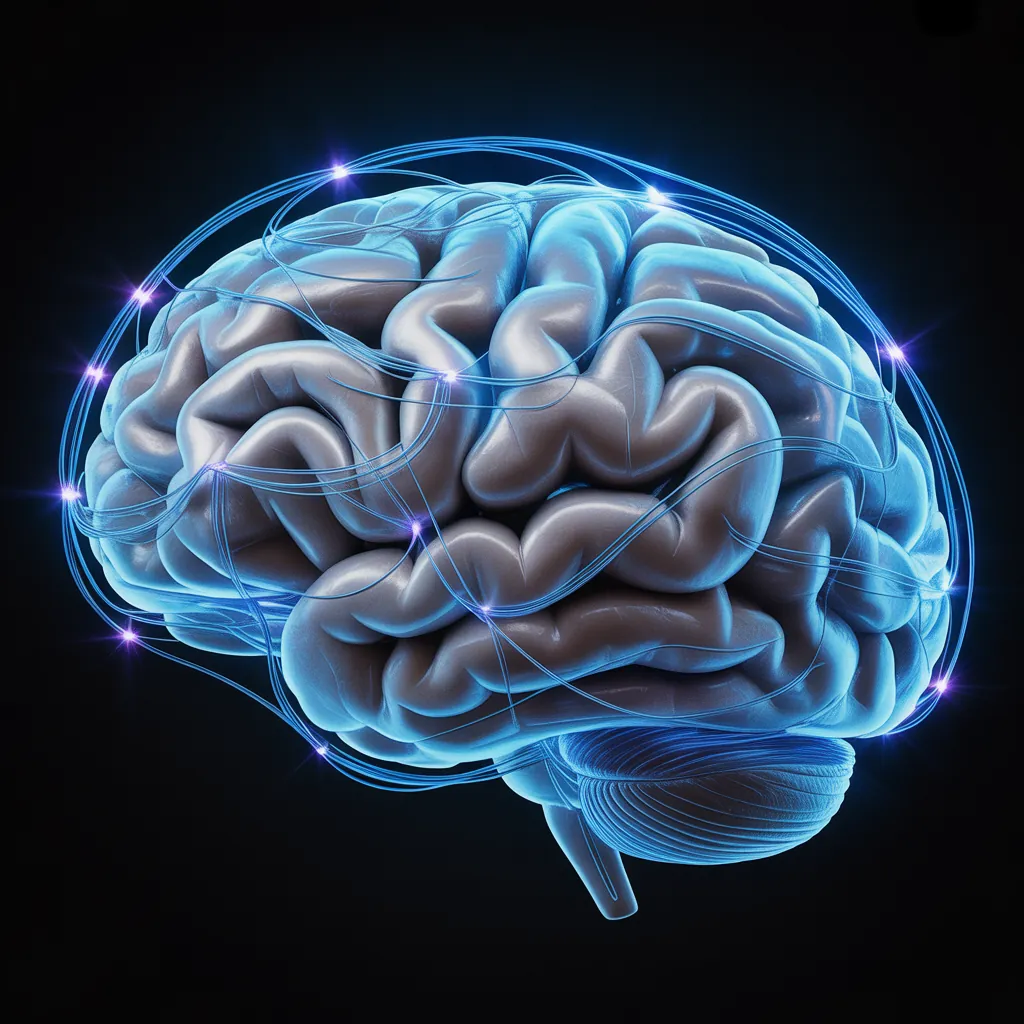
Understanding Motor Neurone Disease
MND progressively damages motor neurons, leading to increasing muscle weakness and difficulties with mobility, communication, and daily activities.
Key Challenges:
- Mobility: Moving around the home, getting in/out of bed or chairs
- Communication: Speaking, using phones, or calling for help
- Daily Tasks: Controlling lights, appliances, heating, and environment
- Independence: Increasing reliance on caregivers for basic tasks
Early Intervention Advantage
Implementing ECS early in MND progression allows for gradual adaptation and training, making the technology familiar before it becomes essential.
Our systems can be configured with simple controls initially, then enhanced with alternative input methods as the condition progresses.
How ECS Maintains Independence with MND
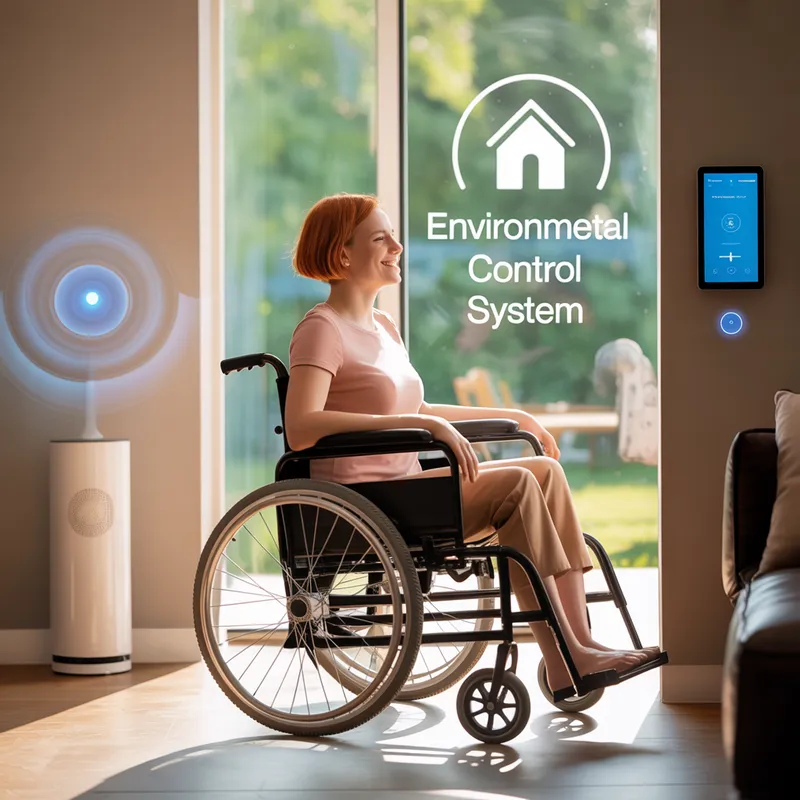
Environmental Control
- Alternative input methods for lighting and heating
- Automated door openers and smart locks
- Voice control when speech is still possible
- Switch access for limited movement
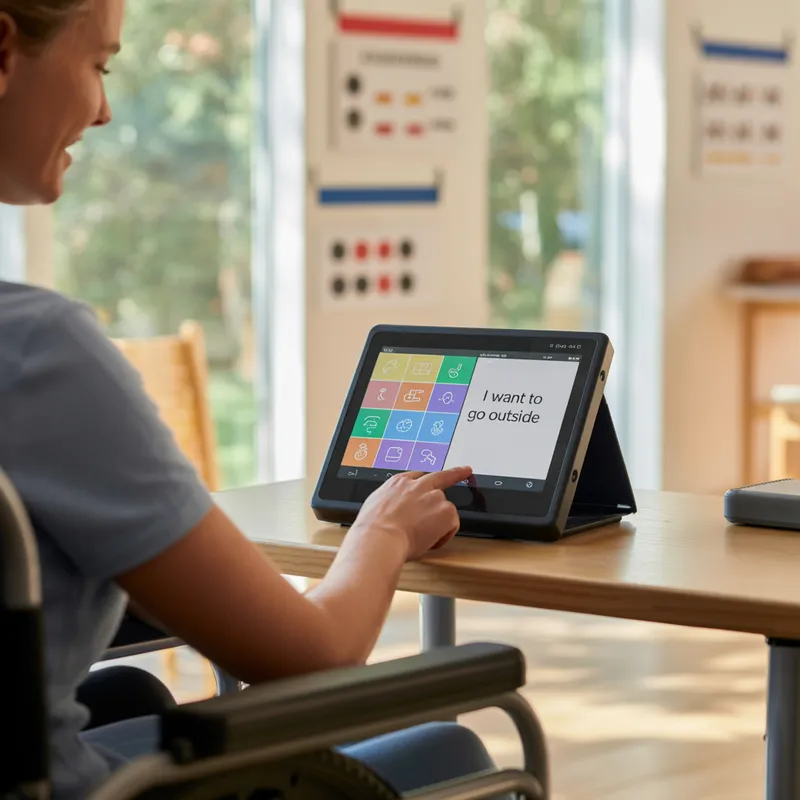
Communication Aids
- Voice output communication aids (VOCAs)
- Computer-based communication systems
- Phone calling and messaging systems
- Eye-gaze communication technology
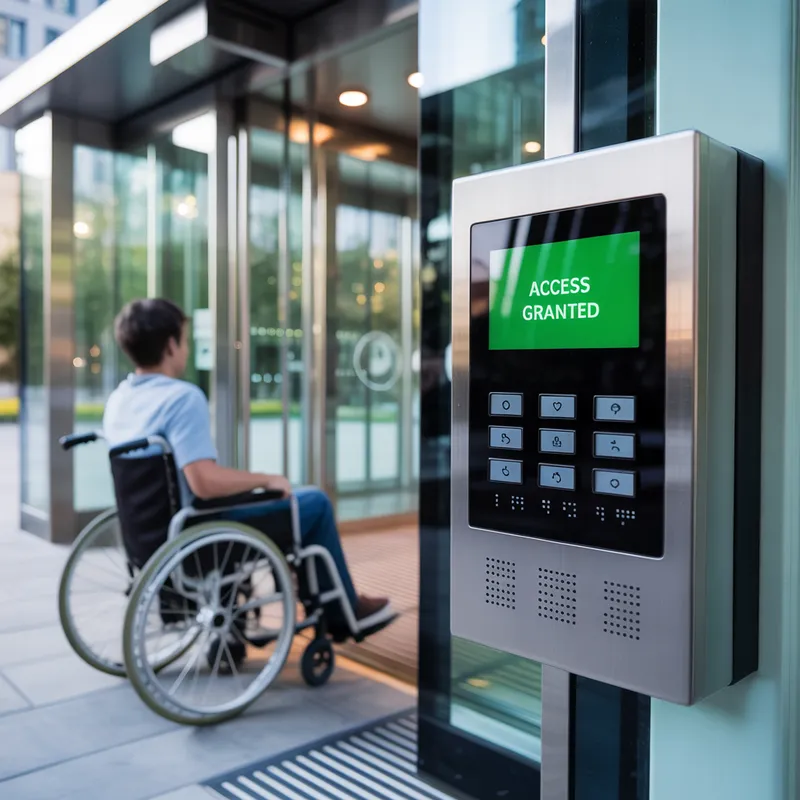
Access Control
- Automated door systems for independence
- Intercom systems between rooms
- Window and curtain automation
- Garage door and gate controls
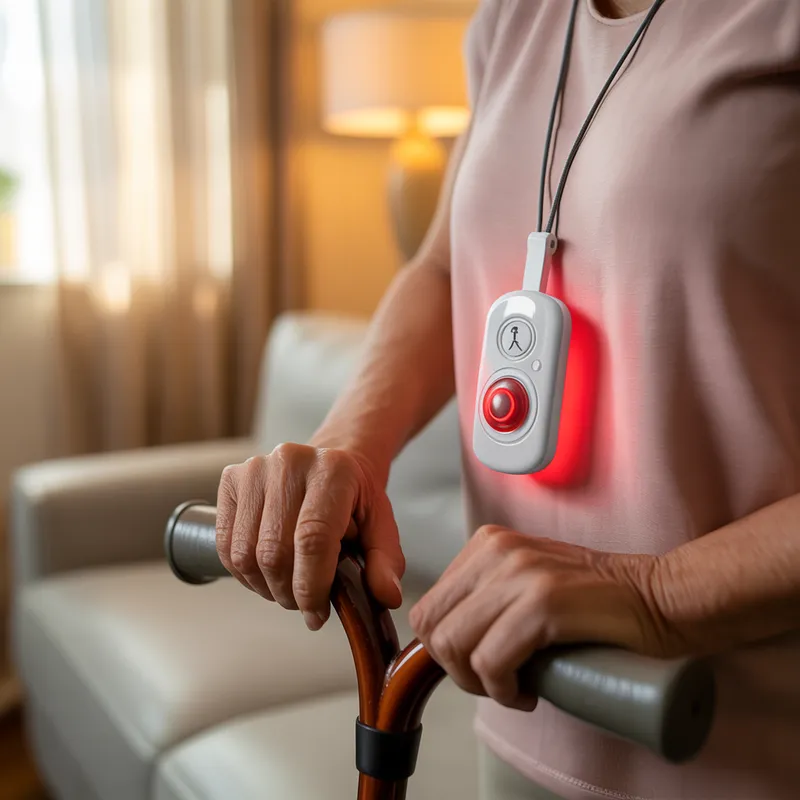
Emergency Systems
- Multiple activation methods for emergency calls
- 24/7 monitoring and response systems
- Fall detection and alert systems
- Caregiver notification systems
_1776780188357-DBeJhEHn.webp)
Computer Access
- Alternative input methods (eye-gaze, switches)
- Voice recognition software
- Head tracking systems
- Tablet and smartphone adaptation
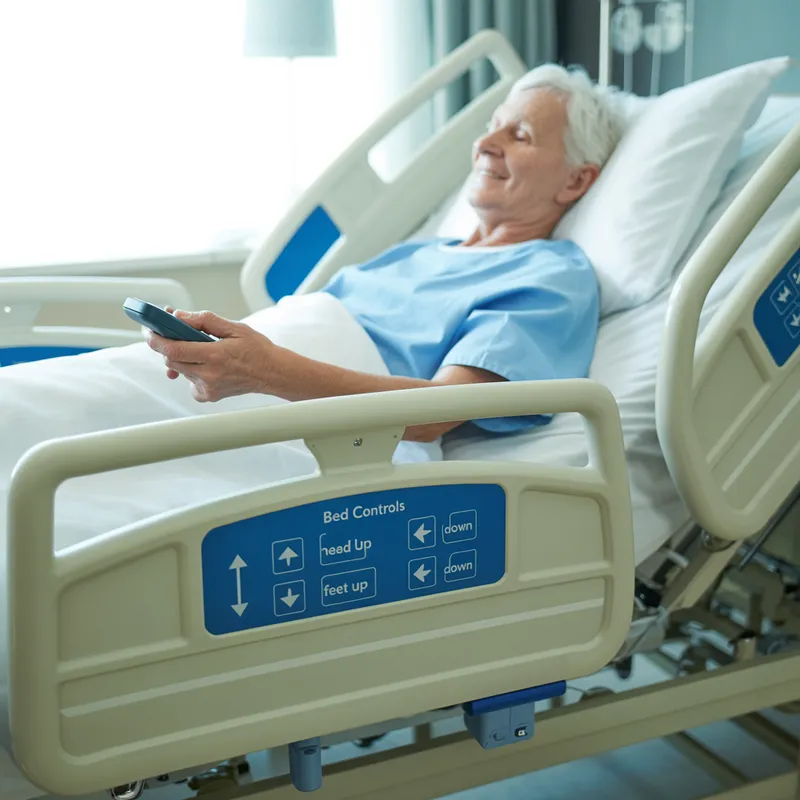
Bed & Chair Control
- Powered bed position adjustment
- Riser/recliner chair integration
- Pressure relief systems
Adaptive Solutions for MND Progression
Early Stage
Voice control and simple switch access while speech and some movement remain. Training and familiarization with systems.
Middle Stage
Enhanced switch access, head tracking, and eye-gaze systems as movement becomes more limited. Communication aids become essential.
Advanced Stage
Eye-gaze control, breath switches, and minimal movement sensors. Full environmental control with emergency monitoring.