Skip Navigation Links

Understanding Muscular Dystrophy
Muscular Dystrophy is a group of genetic disorders causing progressive muscle weakness and degeneration, affecting mobility, fine motor skills, and daily activities.
Key Challenges:
- Progressive Muscle Weakness: Increasing difficulty performing everyday tasks
- Limited Mobility: Moving around and reaching controls becomes challenging
- Fatigue: Even simple tasks become exhausting
- Fine Motor Difficulties: Precise hand movements become difficult
Progressive Adaptation
Our ECS systems are designed to adapt as muscle weakness progresses, starting with simple controls and evolving to more sophisticated assistance methods.
From manual switches to voice control to eye-gaze systems, we ensure continuous independence regardless of physical changes.
How ECS Supports Life with Muscular Dystrophy
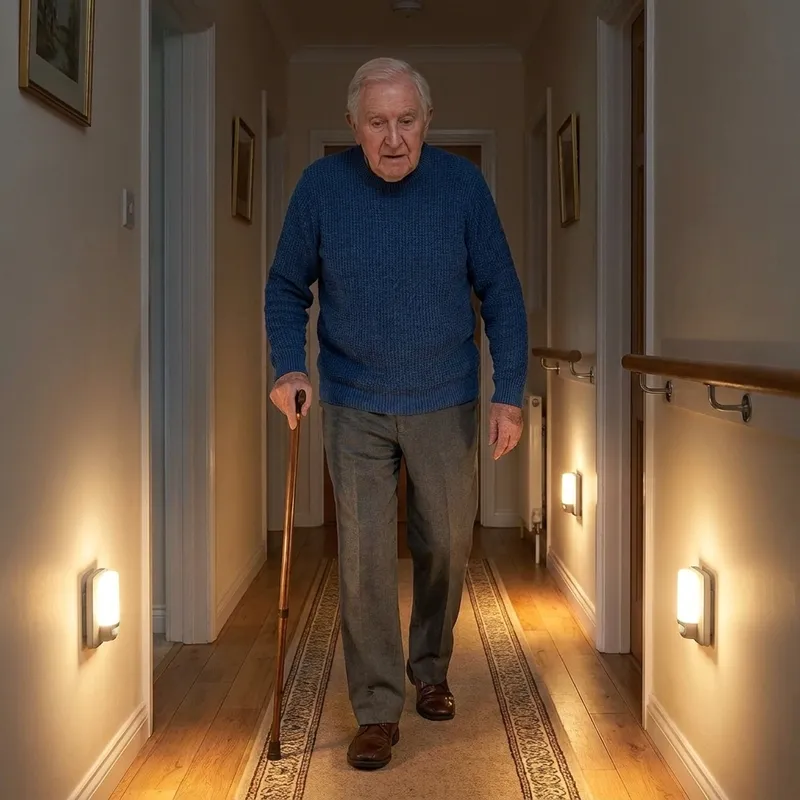
Automated Lighting
- Voice-activated lighting systems
- Smart lighting with automatic scheduling
- Smartphone and tablet control options
- Motion-activated lighting for safety
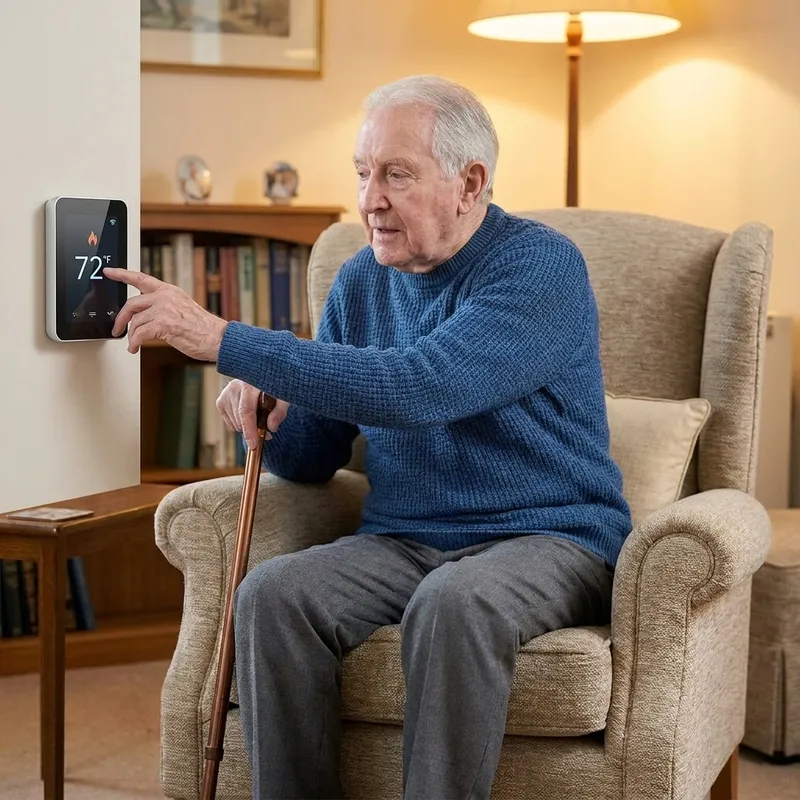
Temperature Control
- Smart thermostats with remote adjustment
- Voice-controlled temperature settings
- Automated climate control schedules
- Zone-based temperature management
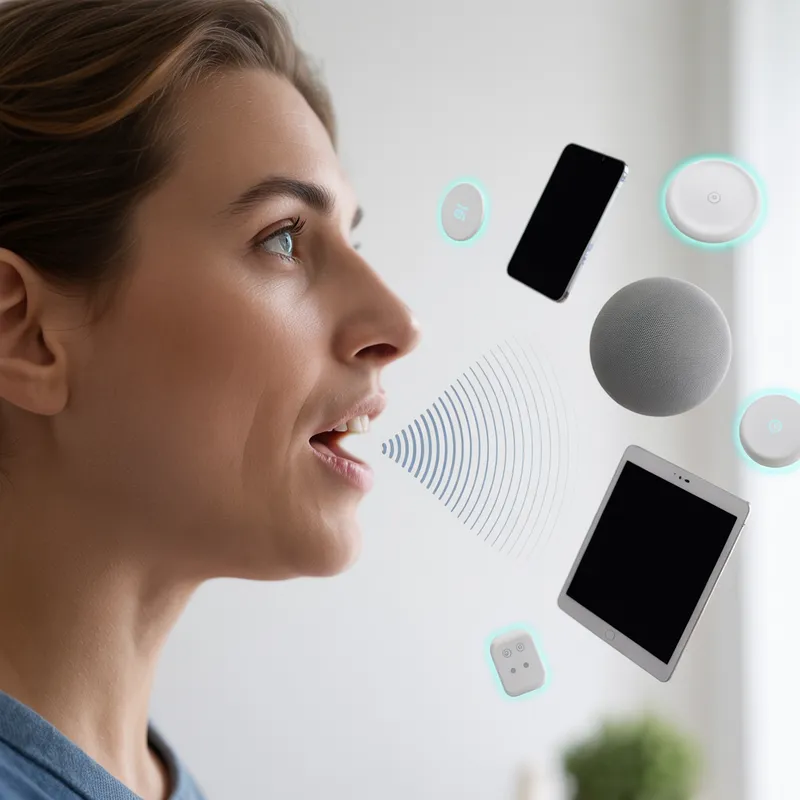
Appliance Control
- Smart plugs for easy device control
- Voice-controlled appliances (TV, radio, fans)
- Remote operation without physical strain
- Automated appliance scheduling
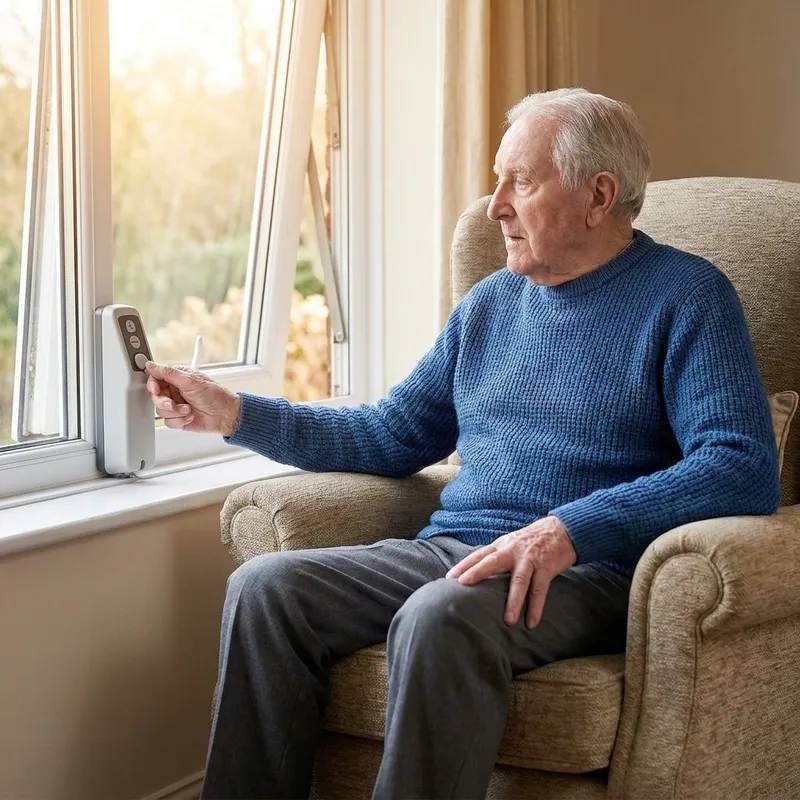
Door & Window Control
- Automated door openers for independence
- Window controls for ventilation
- Intercom systems between rooms
- Smart locks with keyless entry
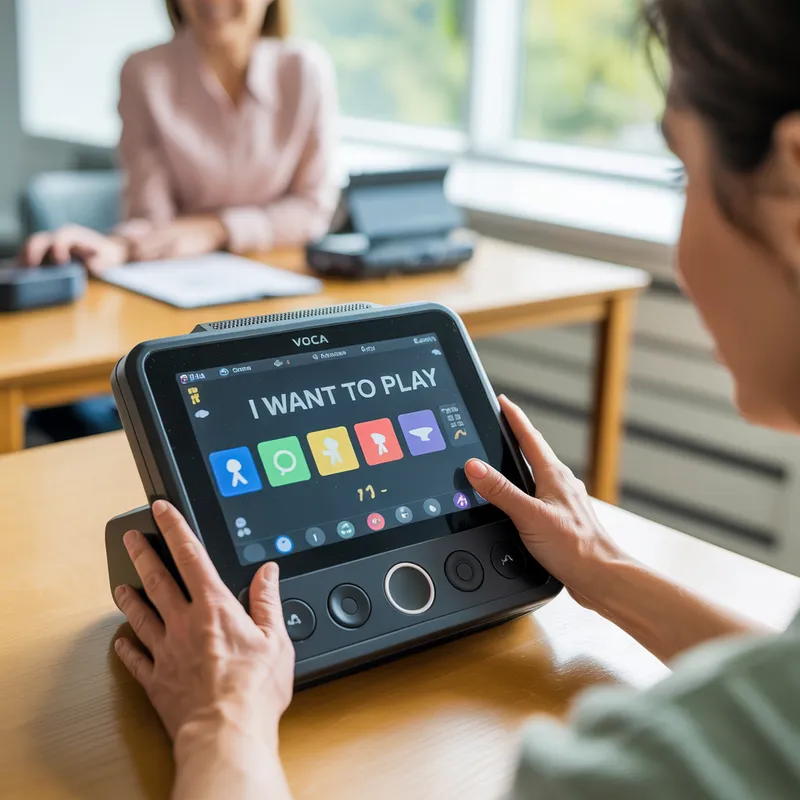
Communication Aids
- Voice output communication aids (VOCAs)
- Computer access with alternative inputs
- Eye-gaze communication systems
- Emergency calling systems
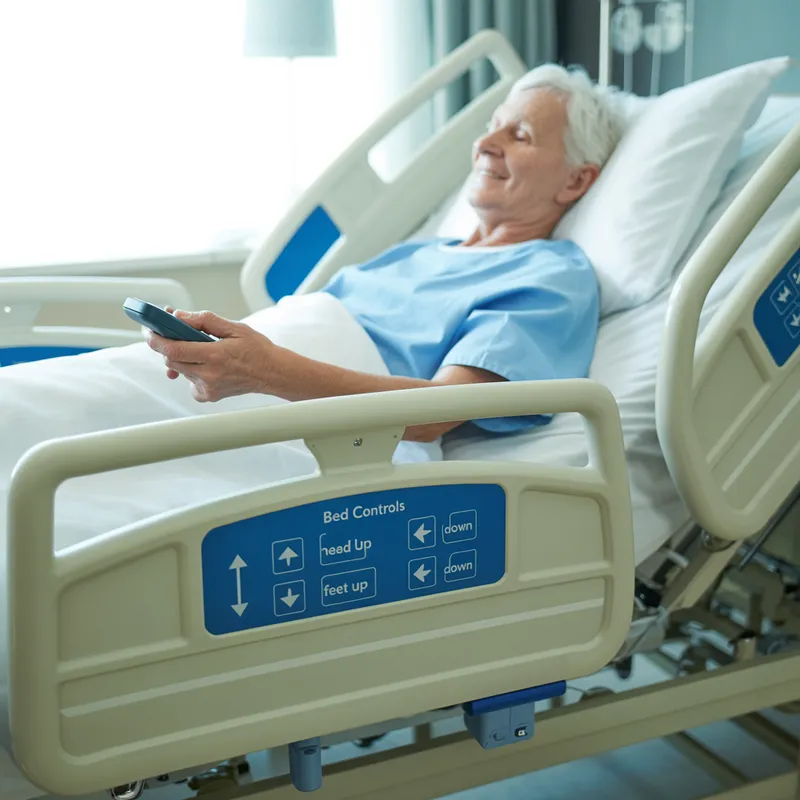
Bed & Chair Control
- Powered beds with position adjustment
- Riser/recliner chair integration
- Independent position changes
- Pressure relief and comfort systems
Solutions That Adapt to Disease Progression
Early Stage
Simple switches and voice control while manual dexterity remains. Automation reduces strain and conserves energy.
Moderate Stage
Voice control becomes primary, with head tracking and larger switches. Increased automation for daily activities.
Advanced Stage
Eye-gaze control and breath switches provide continued independence. Full environmental automation with caregiver integration.