Skip Navigation Links
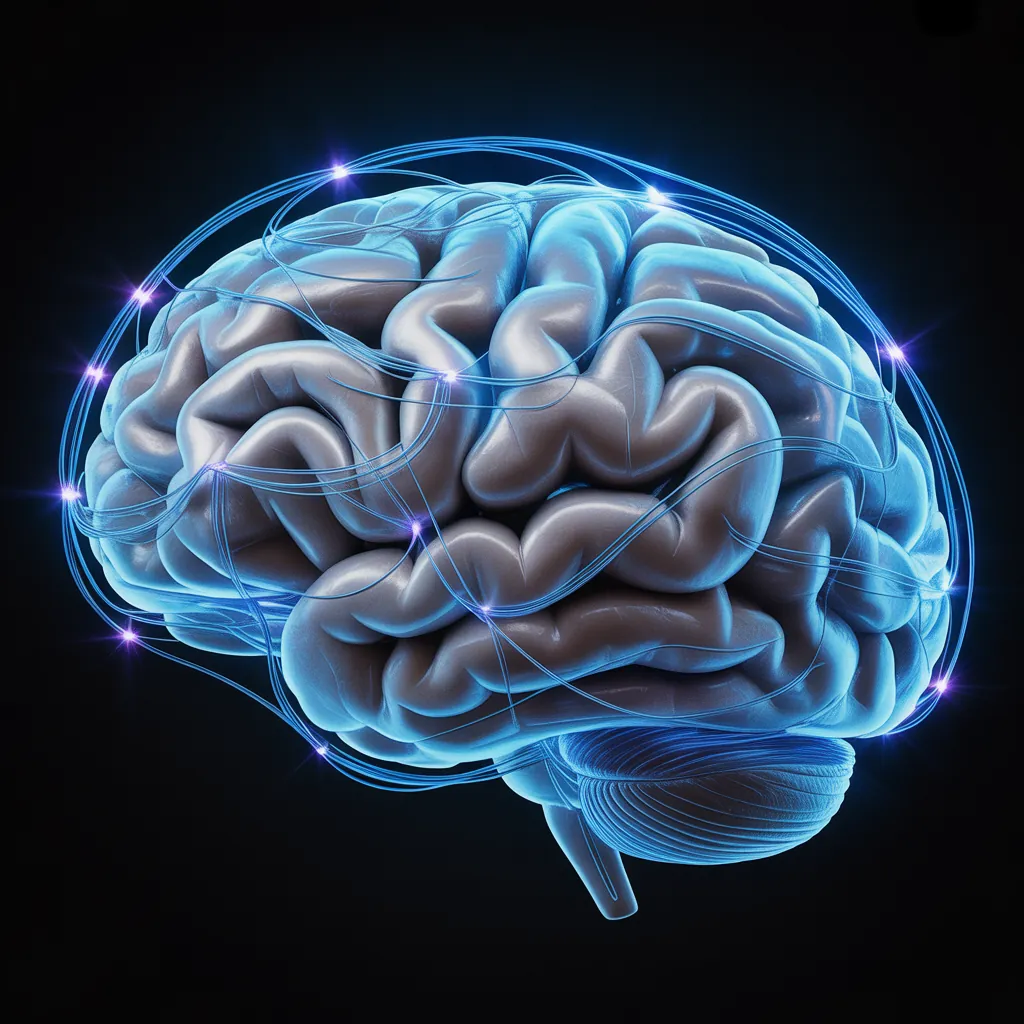
Understanding Huntington's Disease
Huntington's disease is a progressive neurodegenerative disorder affecting movement, cognition, and mental health, requiring adaptive support systems.
Key Challenges:
- Involuntary Movements (Chorea): Uncontrollable movements making tasks difficult
- Cognitive Decline: Difficulty with memory, concentration, and decision-making
- Emotional Changes: Irritability, depression, and impulsivity
- Speech & Swallowing Issues: Affecting communication and eating
Adaptive Support
ECS technology adapts to the unpredictable nature of Huntington's symptoms, providing consistent environmental control despite movement variability.
Our systems include safety features and simplified interfaces designed to work with cognitive changes and involuntary movements.
How ECS Supports Life with Huntington's Disease
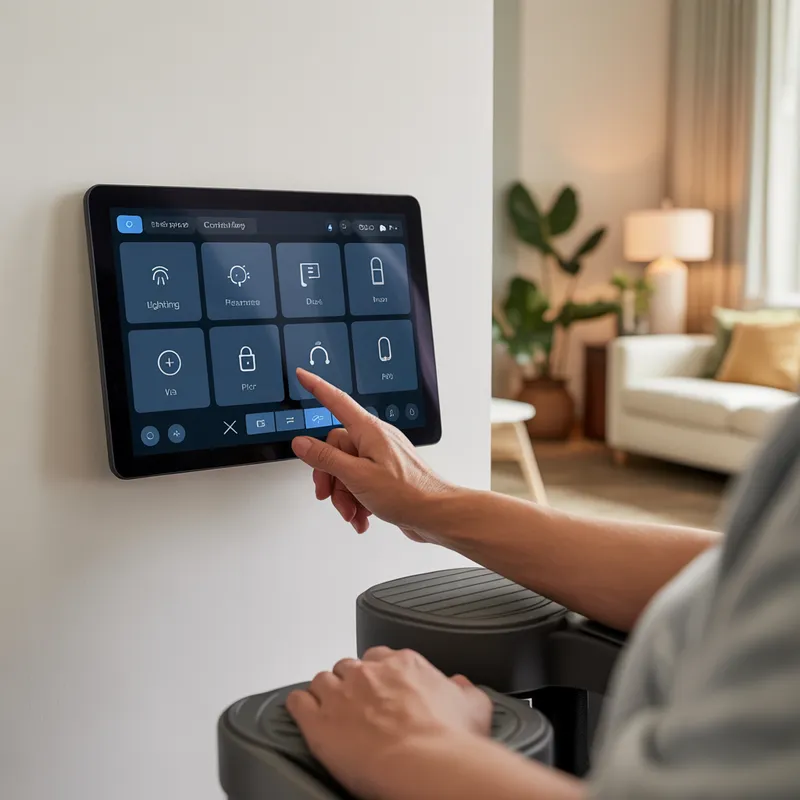
Home Automation
- Voice-activated or remote-controlled systems
- Automated door locks and window controls
- Motion-based lighting for safety
- Simple, large button interfaces

Communication Aids
- Voice output communication aids (VOCAs)
- Speech-to-text software assistance
- Video communication tools
- Emergency communication devices
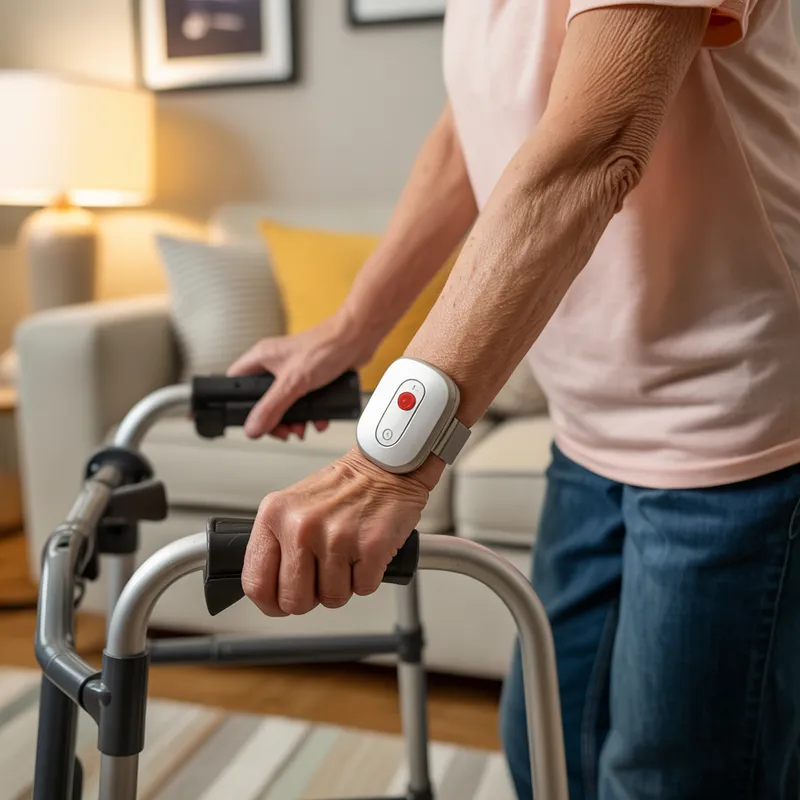
Safety & Monitoring
- Fall detection systems with alerts
- Remote monitoring for safety
- Emergency call systems
- Wandering prevention technology
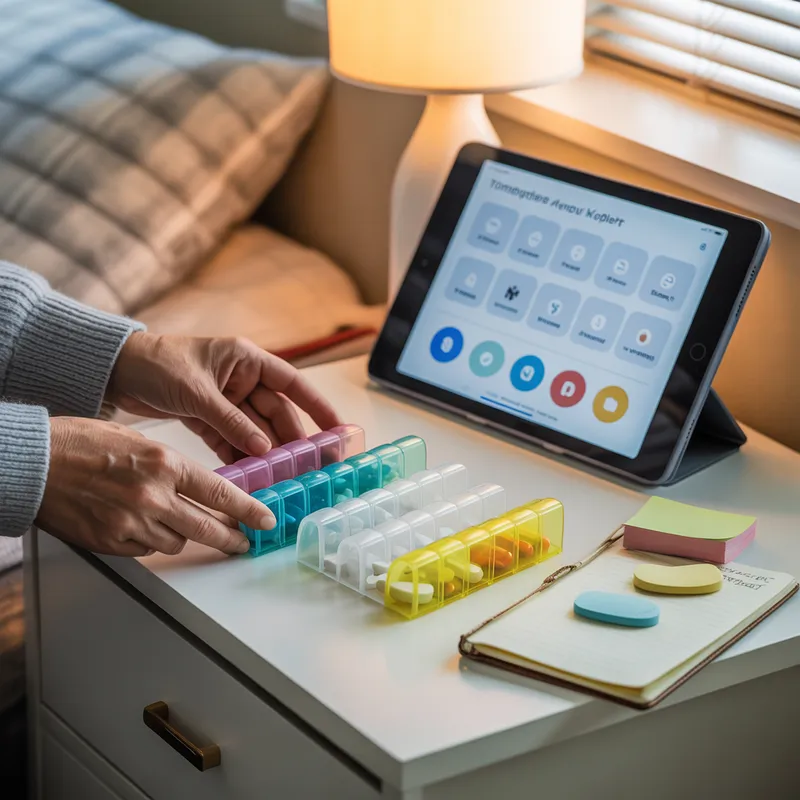
Cognitive Support
- Reminder systems and digital calendars
- Medication management alerts
- Voice-activated information assistance
- Simplified interface designs

Environmental Adjustments
- Automated blinds for light sensitivity
- Sound dampening materials
- Noise-cancelling headphones
- Climate control for comfort
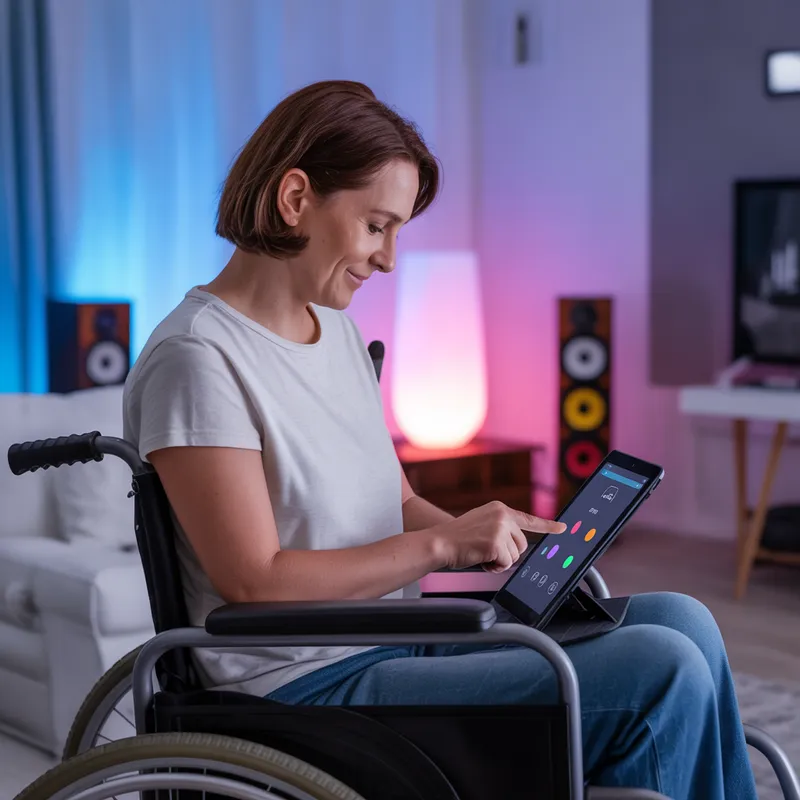
Emotional Support
- Music and entertainment control
- Mood lighting and ambiance control
- Connection to support networks
Adaptive Care Throughout Disease Progression
Early Stage
Focus on maintaining independence with simple automation and cognitive support tools while abilities remain largely intact.
Middle Stage
Enhanced safety systems and increased automation as movement and cognitive challenges become more pronounced.
Advanced Stage
Full environmental automation with caregiver integration, comfort-focused systems, and comprehensive monitoring.