Skip Navigation Links
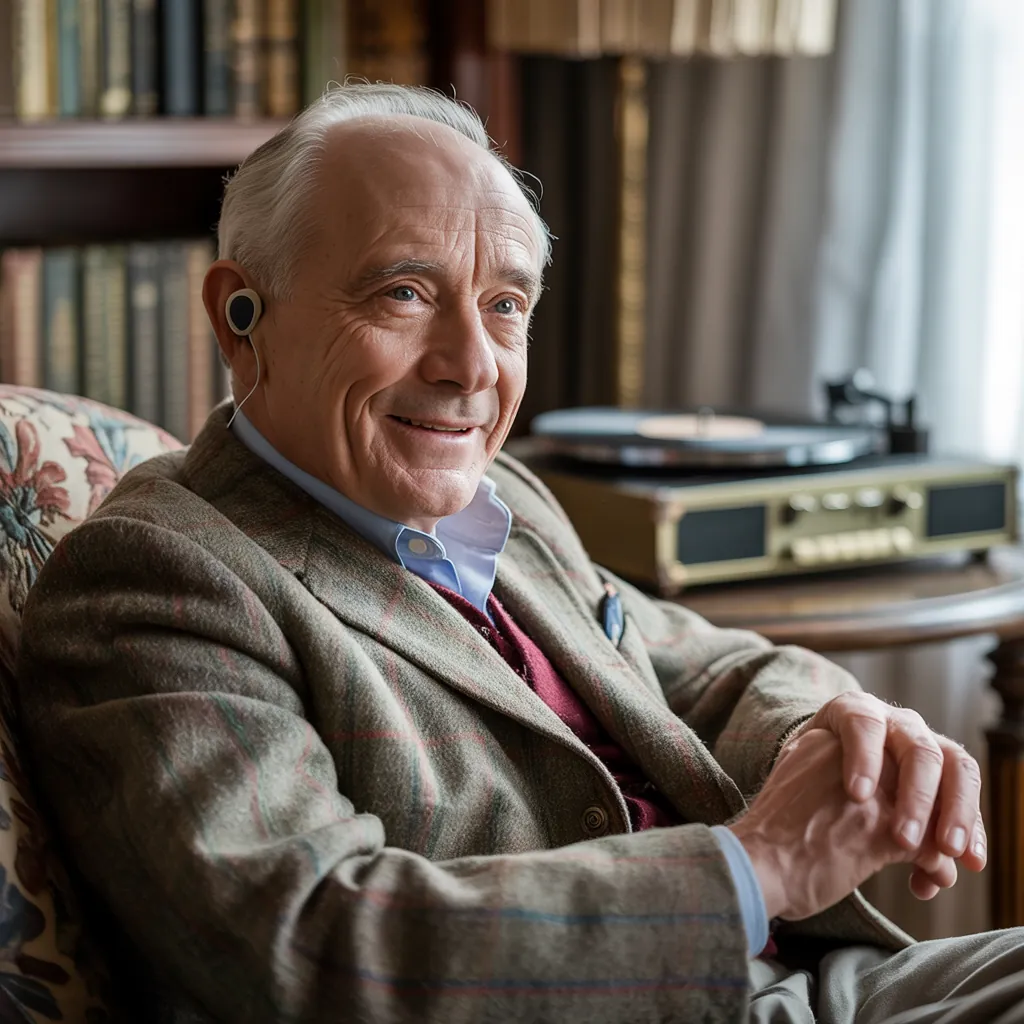
How Control-NI Helps With Acquired Hearing Loss
For clients with progressive or acquired hearing loss, the gradual disappearance of sound-based alerting creates increasing risk. The doorbell goes unheard. The telephone is missed. The smoke alarm may not wake the client at night. Control-NI installs amplified alerting systems, induction loop systems for television and room use, and visual alerting that supplements or replaces sound-based notifications entirely. Systems are configured to the client's specific hearing profile and living situation.
Key ECS Benefits
Amplified Alerting
Induction Loop
TV and Media Access
Other Sensory Conditions
Control-NI also provides ECS support for these related conditions.
Profound Deafness
A profoundly deaf client living alone cannot hear the doorbell, the smoke alarm, the telephone, or the carbon monoxide detector. At night — without a vibrating alert — they have no awareness of any environmental emergency. Control-NI installs Bellman Visit 868 wireless alerting systems — the clinical standard for deaf and hard of hearing clients across all five NI HSC Trusts. A press of the doorbell triggers a simultaneous visual flash in every room, a vibrating pad on the chair, and a pager carried on the person. Smoke alarms, CO detectors, and telephone alerts cascade through the same system. George Jamieson communicates in British Sign Language — assessments can be conducted entirely in BSL. Control-NI has also installed wireless carer alert systems for deaf carers, enabling immediate visual and vibrating notification whenever the patient requires assistance.
Visual Impairment — Partial Sight
For clients with reduced but functional vision, everyday home tasks become challenging. Light switches blend into walls. Controls on appliances are unreadable. Navigating the home in low light carries a significant fall risk. Control-NI installs high-contrast task lighting, automated sensor lighting that activates on movement, and voice-activated controls that remove the need to locate or read physical controls. Systems are configured around the client's specific visual field and light sensitivity needs.
Visual Impairment — Registered Blind
A client with no useful vision cannot safely navigate a dark hallway at night, locate a light switch on an unfamiliar wall, or operate a television remote they cannot see. Every physical interaction with the home environment carries a risk of falls, confusion, or failure. Control-NI installs a fully voice-controlled home environment. Every light, every blind, the television, the heating, the front door — all controlled by voice command with no need to locate, reach, or operate any physical switch. Sensor lighting activates automatically on movement, eliminating the need to find a switch in the dark entirely.
DeafBlind / Dual Sensory Impairment
For clients with both hearing and visual impairment, the challenges are multiplied. Neither sound-based nor vision-based alerting is fully effective. Control-NI installs combined sensory and environmental control solutions — tactile alerting systems, vibrating pagers, high-contrast visual displays, and simplified voice or switch interfaces that require minimal sensory input. Every system is configured around the client's residual hearing, residual vision, and preferred communication method.
Get Support for Acquired Hearing Loss
Control-NI provides free home assessments across Northern Ireland. No referral needed for privately funded clients. OT referrals welcome from all five HSC Trusts.