Skip Navigation Links
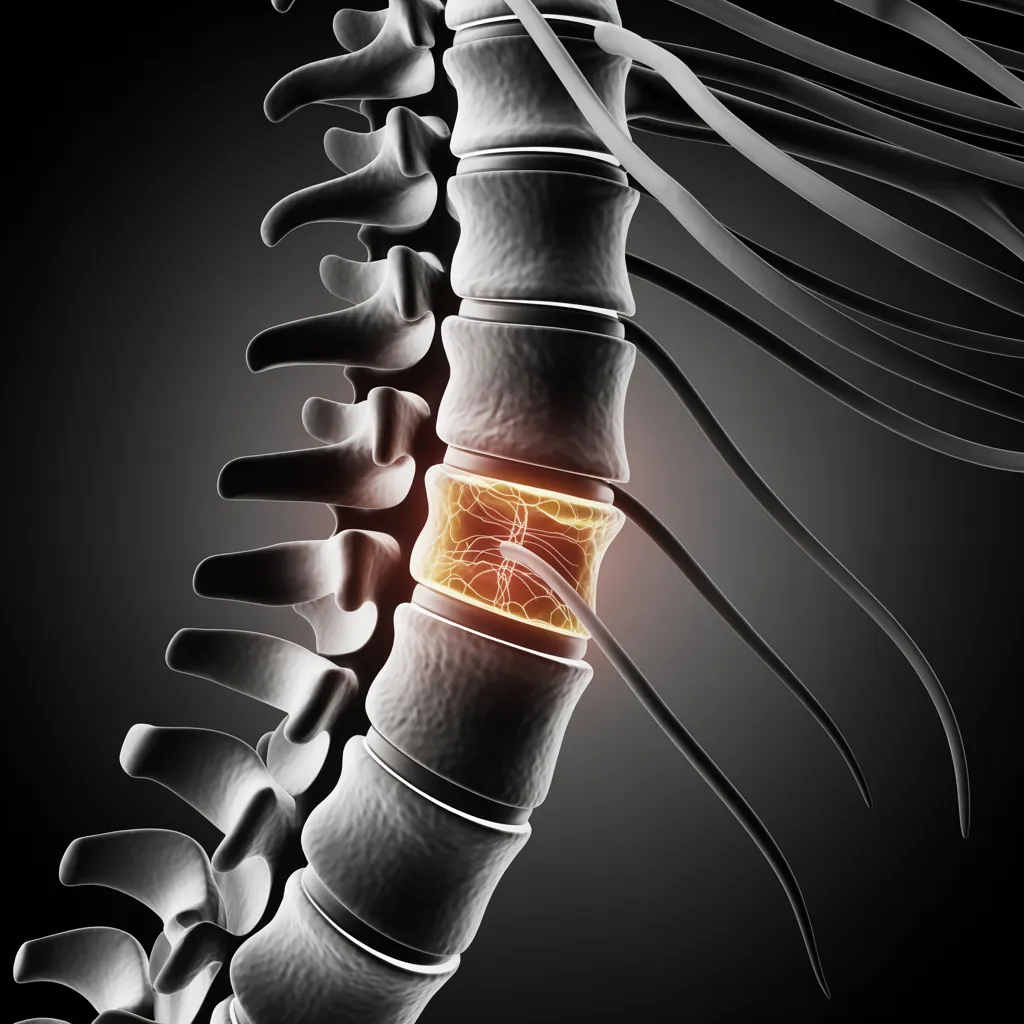
Understanding Spinal Cord Injury Impact
Spinal cord injury affects all four limbs in quadriplegia or lower body in paraplegia, leading to significant limitations in mobility, fine motor skills, and independence.
Key Challenges:
- Mobility: Severe limitations in movement, often requiring power wheelchairs
- Fine Motor Skills: Difficulty or inability to use hands and fingers
- Independence: Heavy reliance on caregivers for daily tasks
- Communication: Potential difficulties with traditional communication methods
Technology Empowerment
Modern ECS technology can dramatically restore independence for spinal cord injury survivors, often exceeding pre-injury capabilities in environmental control.
Advanced input methods like eye-gaze, sip-and-puff, and head tracking provide precise control over entire home environments.
Restoring Independence After Spinal Cord Injury
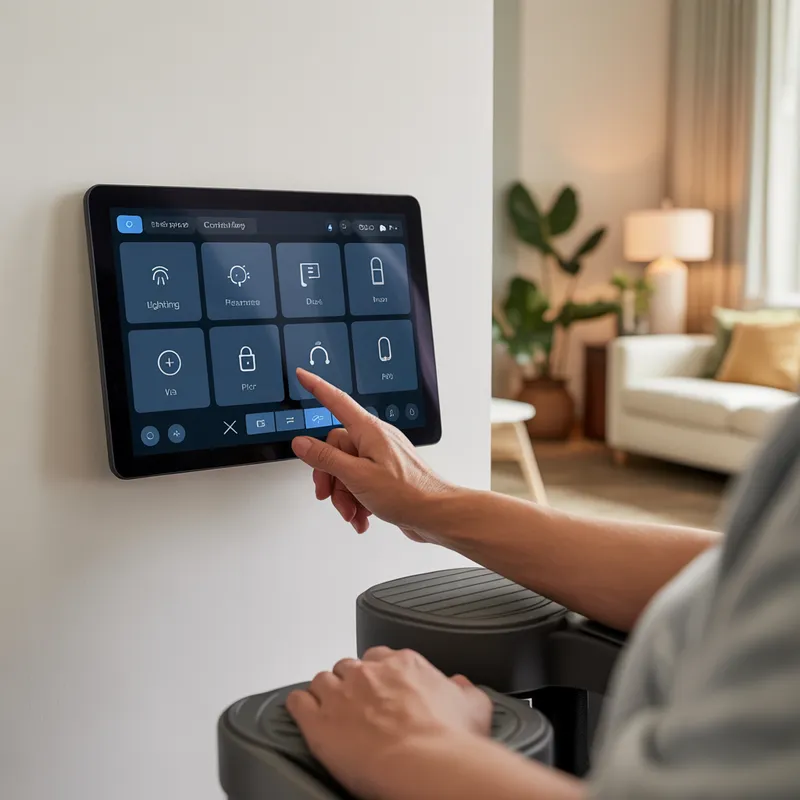
Home Automation
- Voice-activated or alternative input controls
- Automated door openers and window controls
- Complete lighting and appliance management
- Temperature and environmental controls

Communication Aids
- Voice output communication aids (VOCAs)
- Eye-gaze communication systems
- Sip-and-puff input methods
- Head tracking communication devices
_1776782130876-BM_RKIZZ.webp)
Computer & Device Control
- Alternative input methods for computers
- Tablet and smartphone control systems
- Entertainment system management
- Social media and communication access
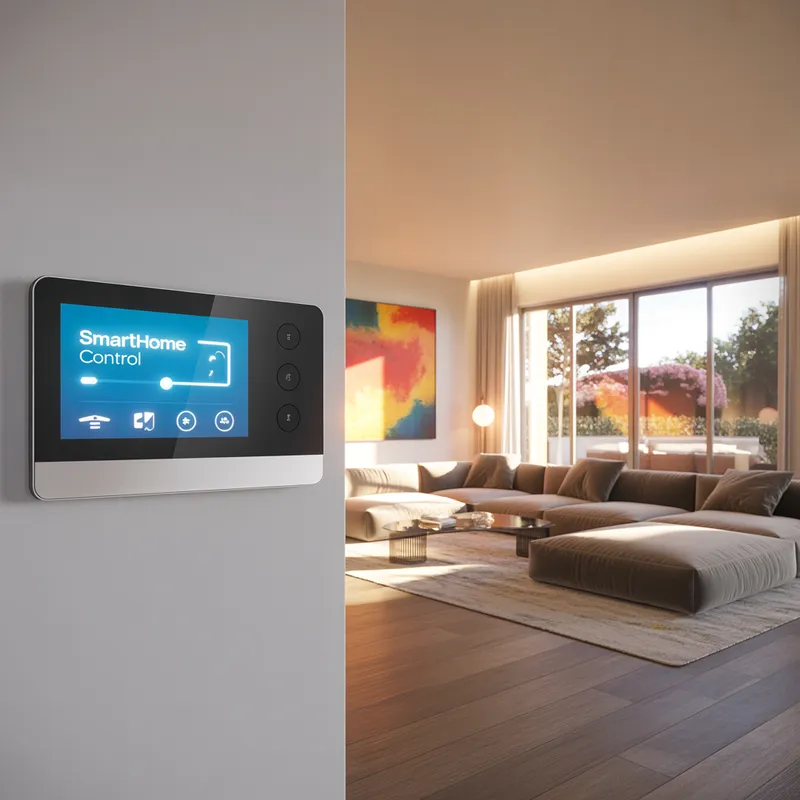
Environmental Adjustments
- Automated blinds and curtain controls
- Adjustable lighting for comfort
- Climate control optimisation
- Noise management systems
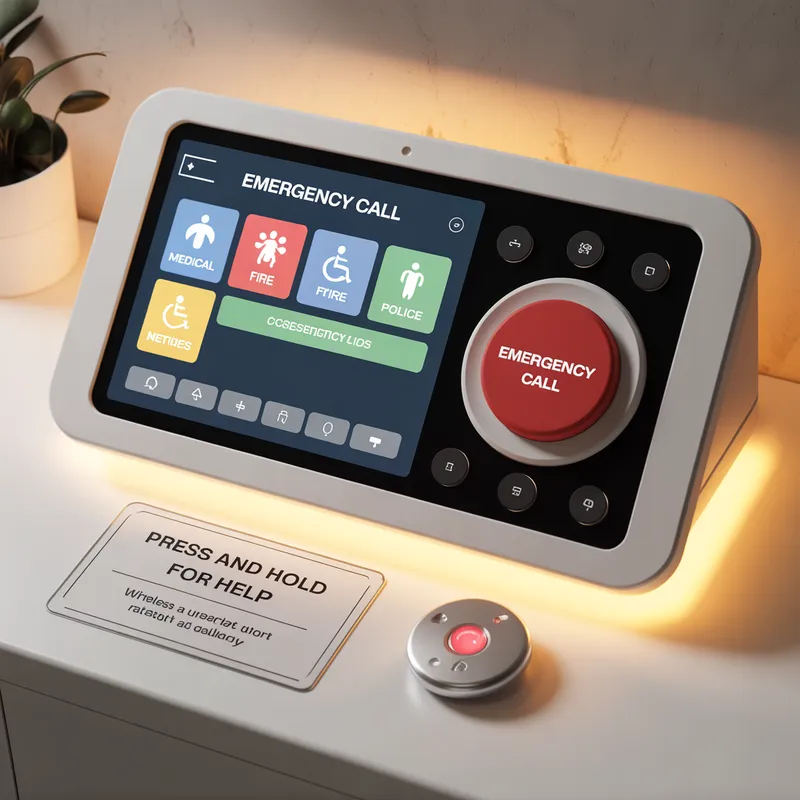
Safety & Emergency Systems
- Multiple emergency activation methods
- 24/7 monitoring and response
- Fall and pressure monitoring
- Caregiver alert systems
_1776780188357-DBeJhEHn.webp)
Advanced Input Methods
- Eye-gaze tracking systems
- Sip-and-puff controls
- Head movement tracking
Specialized Input Methods for Different Injury Levels
Eye-Gaze Control
Precise control using eye movements for complete quadriplegia
Sip & Puff
Breath-controlled switches for reliable input method
Head Tracking
Head movement control for partial neck mobility
Voice Control
Speech recognition for preserved vocal function
Key Benefits for Spinal Cord Injury
Increased Independence
Regain control over environment and daily activities with minimal caregiver assistance.
Enhanced Communication
Maintain social connections and express needs effectively through advanced communication aids.
Digital Access
Access computers, internet, and entertainment systems for work, education, and leisure.
Safety Assurance
Multiple emergency systems provide security and rapid response capabilities.
Environmental Mastery
Complete control over lighting, temperature, and all home systems from any location.
Quality of Life
Restore dignity, privacy, and personal autonomy in daily living activities.