Skip Navigation Links
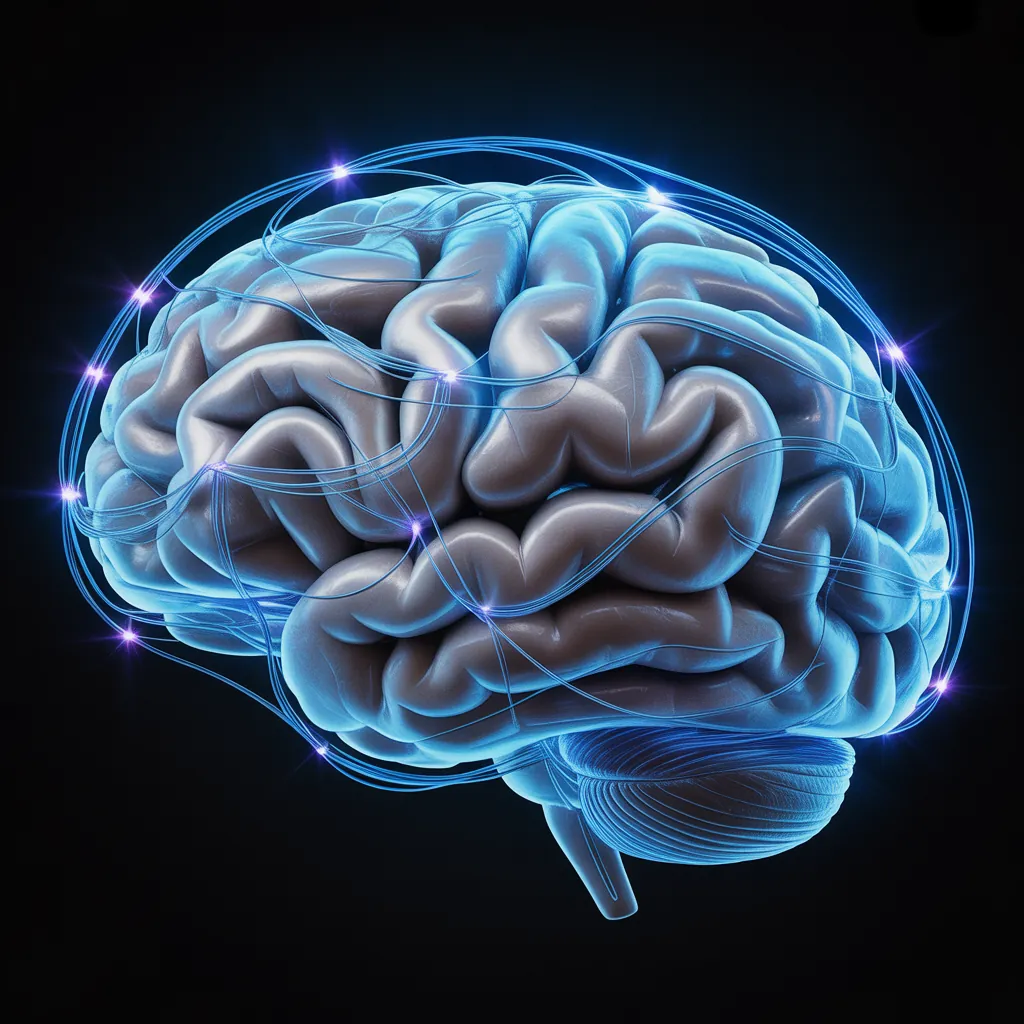
Understanding Stroke Recovery
Stroke survivors often face challenges with mobility, communication, and daily activities. ECS technology helps bridge these gaps while supporting the rehabilitation process.
Common Post-Stroke Challenges:
- Mobility Limitations: Weakness or paralysis affecting movement
- Communication Difficulties: Speech and language challenges (aphasia)
- Cognitive Changes: Memory, attention, and processing difficulties
- Fine Motor Skills: Difficulty with precise hand movements
Rehabilitation Support
ECS technology doesn't replace therapy but enhances it by providing consistent practice opportunities and enabling independence during recovery.
Our systems can be adjusted as recovery progresses, providing appropriate challenges and support at each stage of rehabilitation.
How ECS Supports Stroke Recovery
_1776783032004-B5bkATTR.webp)
Alternative Environmental Control
- Voice control for lighting and appliances
- Large button switches for affected mobility
- Automated systems requiring minimal input
- Smart home integration for independence
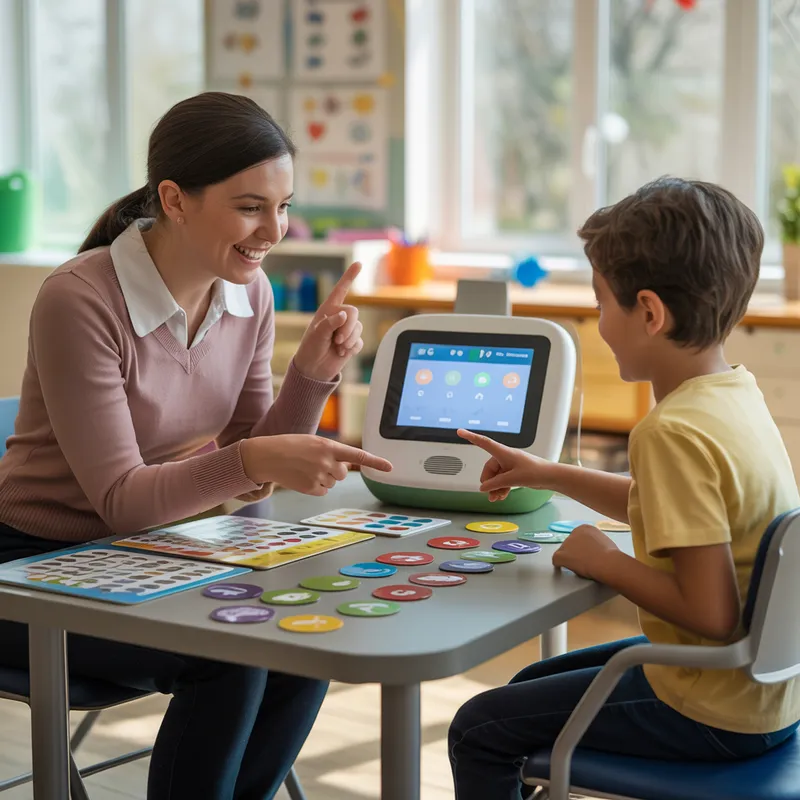
Communication Support
- Speech-generating devices for aphasia
- Text-to-speech software
- Picture-based communication systems
- Emergency communication devices
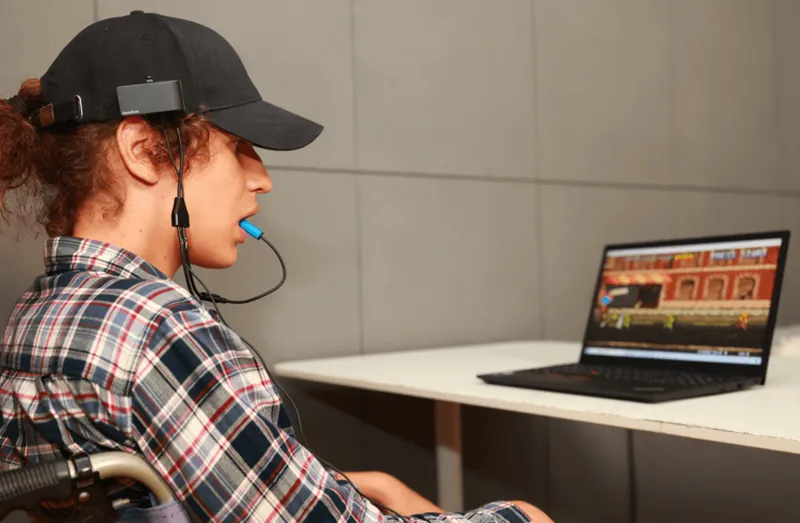
Computer & Tablet Access
- One-handed keyboards and mice
- Voice recognition software
- Touch screen interfaces
- Rehabilitation software integration
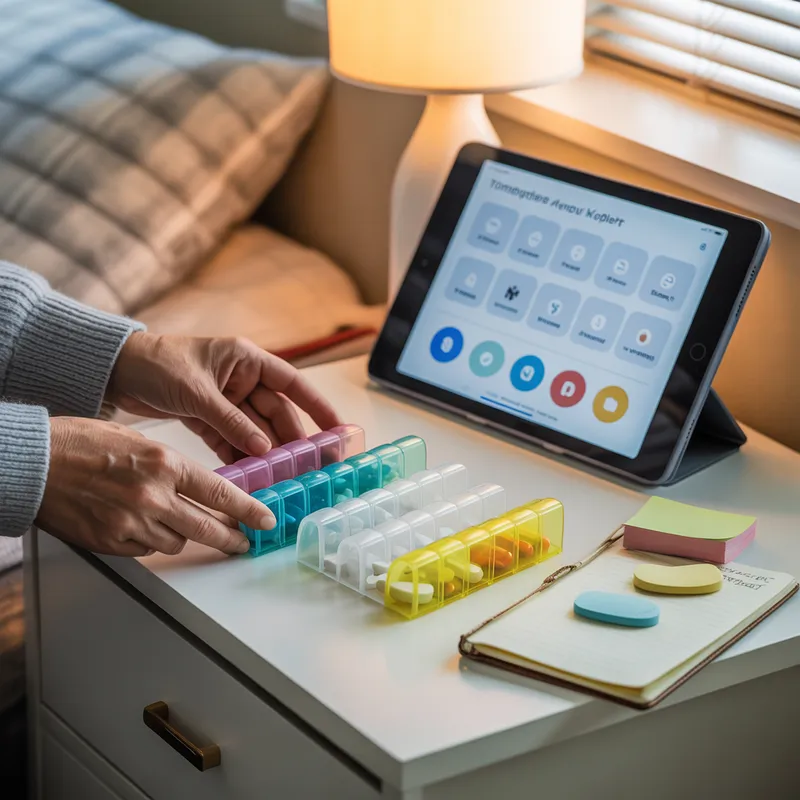
Cognitive Support
- Reminder systems for medications
- Digital calendars and scheduling
- Simplified interface designs
Safety & Emergency Systems
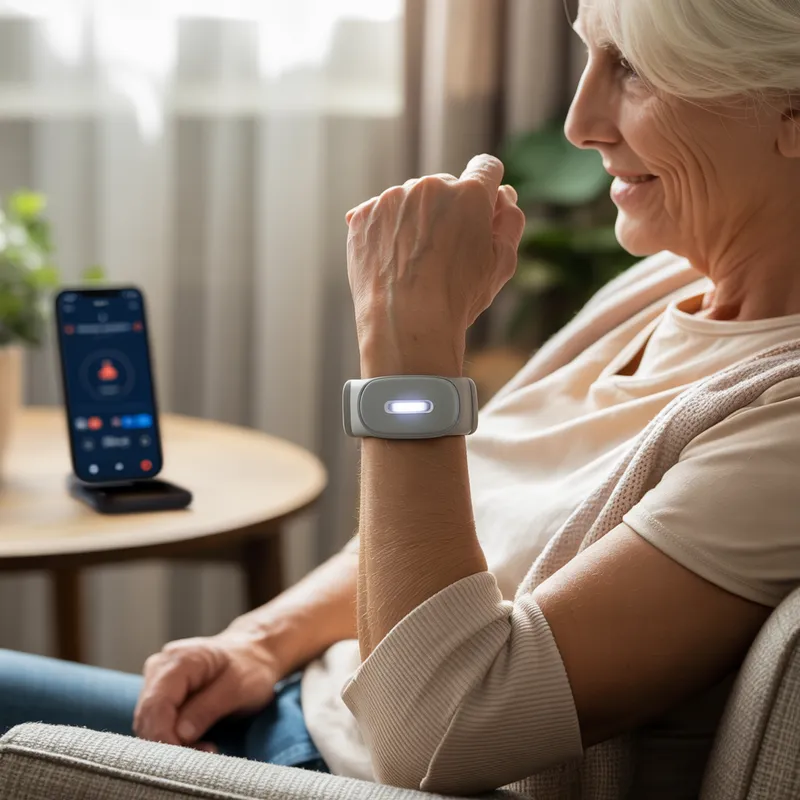
- Fall detection and alert systems
- Easy-access emergency calling
- Medication reminder alerts
- Caregiver notification systems
Rehabilitation Integration
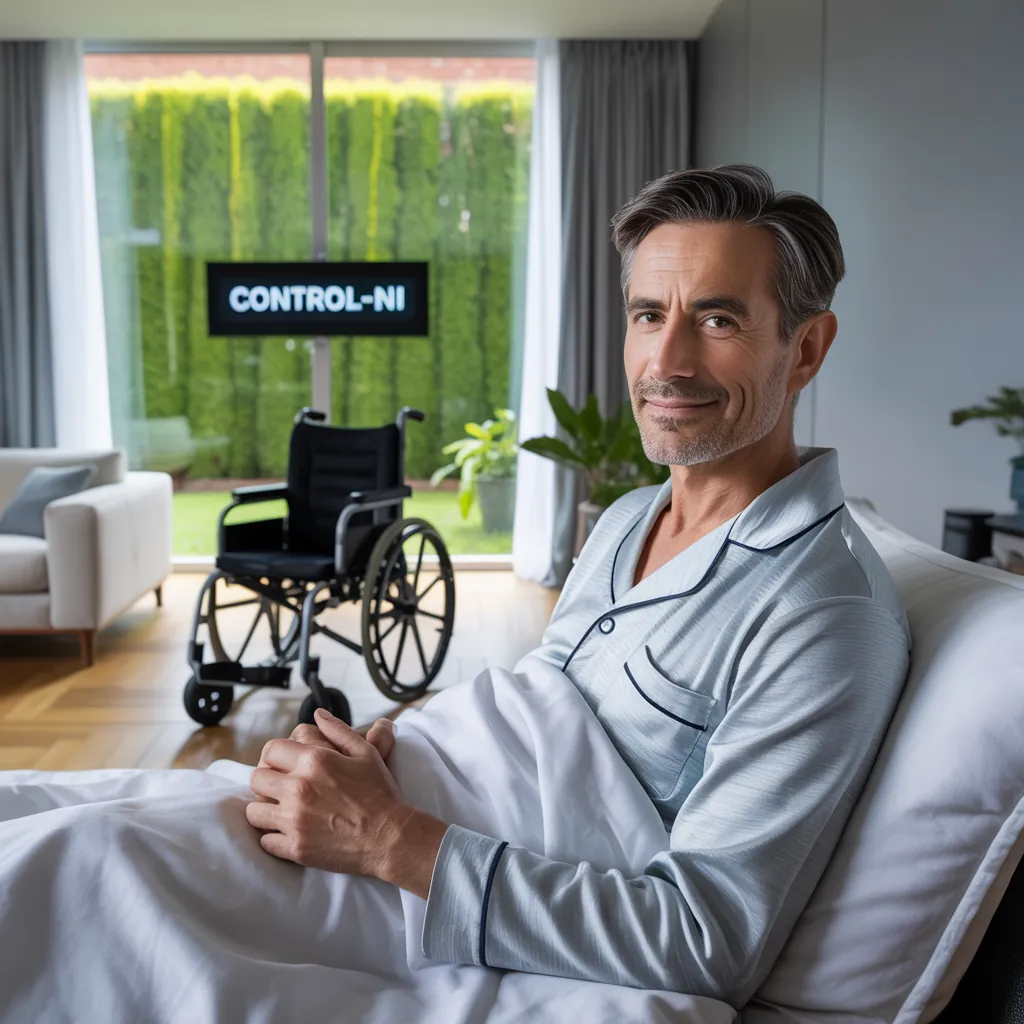
- Progressive difficulty adjustments
- Practice opportunities with ECS controls
- Customisable system that can change with needs
ECS Support Throughout Recovery Stages
Acute Stage
Basic environmental controls and emergency systems. Simple, reliable access to essential functions during initial recovery.
Rehabilitation
Progressive control options that challenge improving abilities. Integration with therapy goals and practice opportunities.
Long-term
Full independence with adapted controls. Ongoing support for maintained abilities and compensation for permanent changes.
Key Benefits for Stroke Recovery
Regained Independence
Alternative control methods restore ability to manage personal environment and daily tasks.
Enhanced Communication
Communication aids help maintain relationships and express needs despite speech challenges.
Cognitive Support
Memory aids and simplified interfaces help manage cognitive changes after stroke.
Rehabilitation Support
Technology provides practice opportunities and supports therapy goals for continued improvement.
Safety Assurance
Emergency systems and monitoring provide security for stroke survivors living independently.
Adaptive Technology
Systems adapt as recovery progresses, providing appropriate challenge and support.